
- Comfort food
- Contemporary recipes
- Pantry cooking
- Brunch
20 Comfort Food Recipes with a Fresh Pantry Twist
Choose among 20 modern comfort food recipes, from gochujang pasta to yuzu bars, with practical timing, pantry tips, and ideas for sharing.
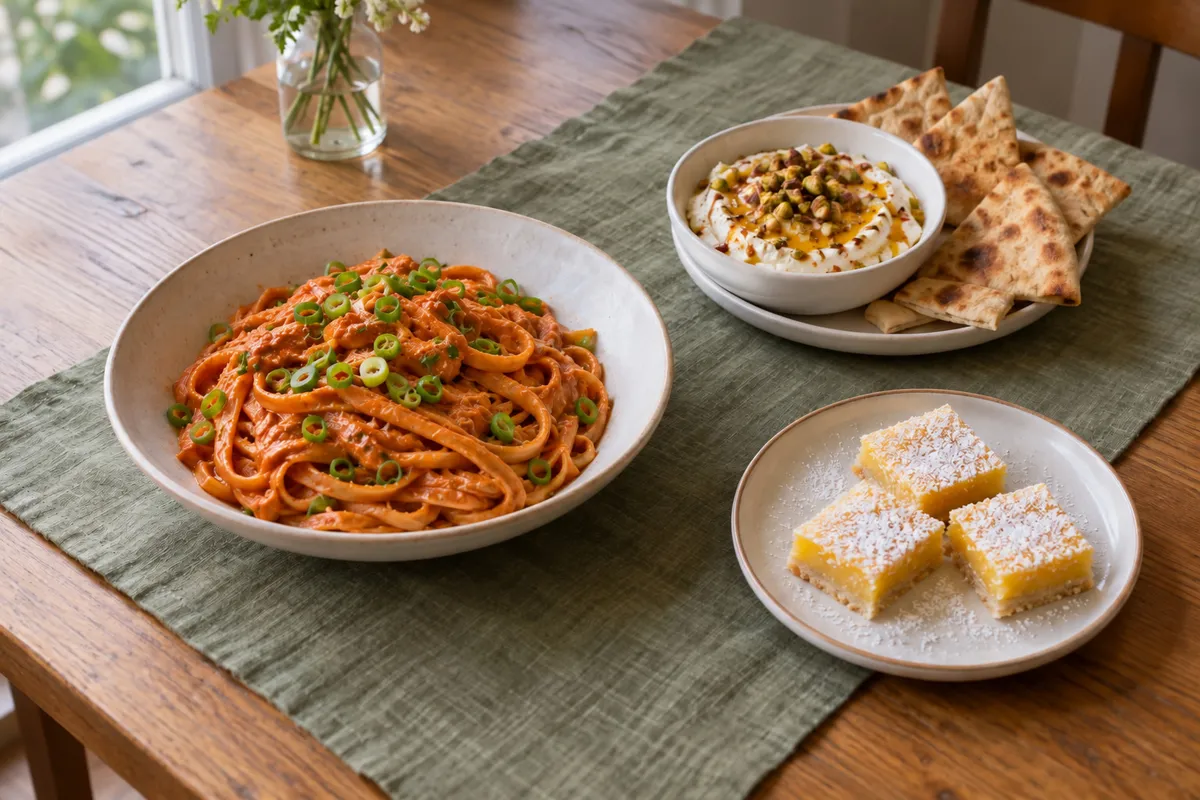
A new jar earns its cupboard space when you know what to do with it after the first spoonful. White miso can season a bowl of mashed potatoes; black sesame can flavor both cookie dough and its filling. A familiar dish gives you somewhere to start tasting an unfamiliar ingredient.
These 20 recipes take that approach to pasta, vegetables, sharing dishes and baking. Some make a small change to a familiar dinner. Others explore a different texture altogether, from delicate enoki fries to sunflower seeds cooked in the manner of risotto. Choose by the flavor or texture you want, then check the time involved: a quick bowl of oats and a tray of chilled citrus bars ask very different things of an afternoon.
Three Ways to Change a Bowl of Pasta
Chili doesn’t have only one flavor. Gochujang Butter Linguine gets sweetness, heat and fermented savor from Korean chili paste. Butter rounds out the sauce and pasta water helps it coat the strands. It’s a roughly 20-minute dinner built around an ingredient with a much longer preparation behind it.
Calabrian Chili Mac and Cheese takes a different direction. Oil-packed crushed peppers bring fruity heat to cheddar sauce, and the small pasta gives you plenty of creamy coating in each bite. Choose this when you want cheese to remain a strong presence alongside the chili; the milder option on the recipe page makes the heat adjustable.
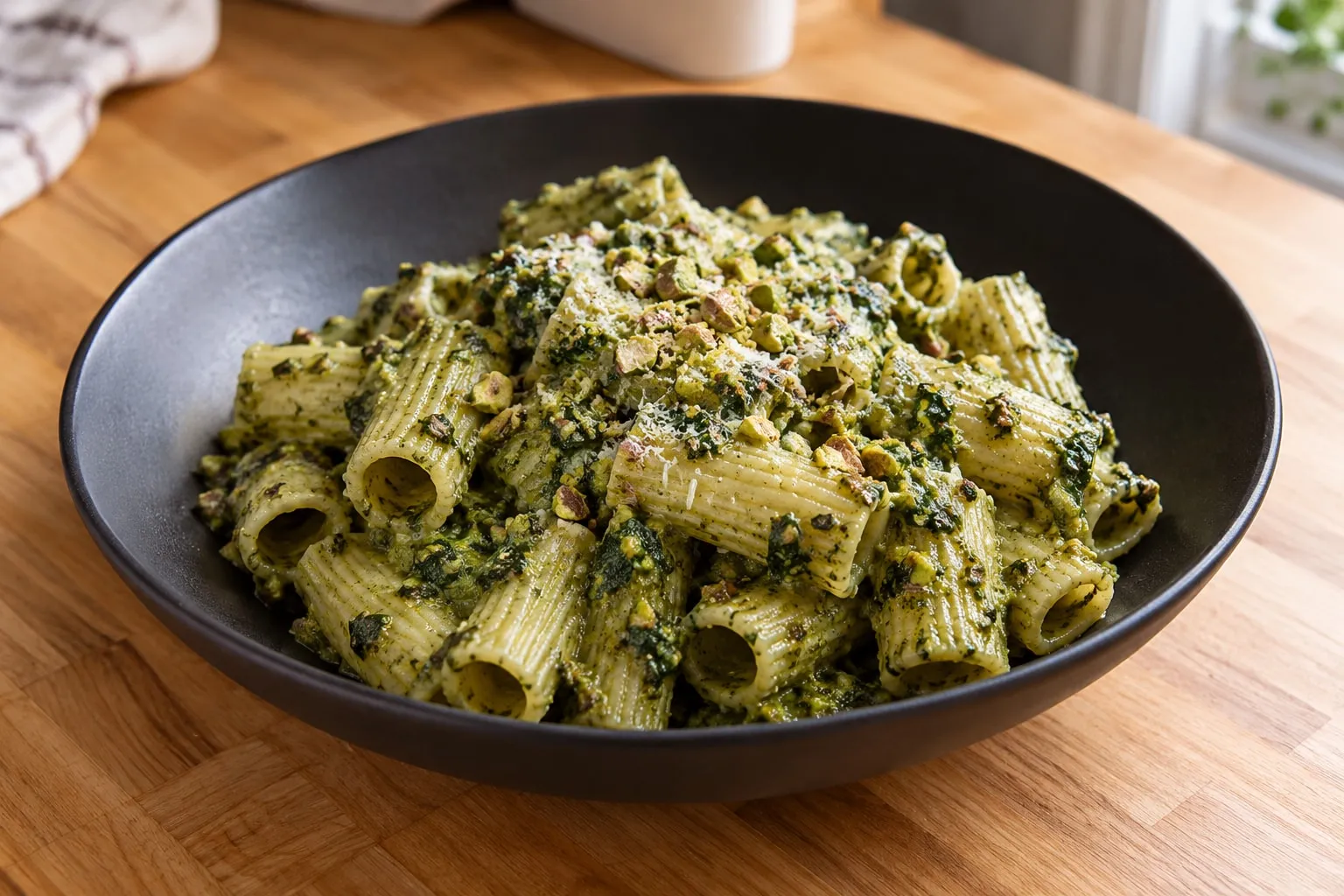
For a green sauce with no chili at all, Pistachio Pesto Rigatoni uses roasted nuts, spinach and mint. The mint is clear enough to smell as the pesto meets the warm pasta. Small nut pieces caught in the rigatoni make its texture quite different from the two smooth sauces above.
All three fit an evening when dinner needs to come together in about half an hour. Their ingredient choices matter more than buying the strongest paste or the most expensive nuts. Gochujang, oil-packed Calabrian paste and roasted salted pistachios are specific starting points, with differences explained on the individual pages.
Richness, with Something to Cut Through It
Brown Butter Miso Mashed Potatoes combines nutty browned butter with the savory flavor of white miso. The potatoes still make a soft, familiar side dish, but they can hold your attention without a ladle of gravy. Taste before adding all the finishing salt: miso already brings some.
White miso is a mild Japanese fermented soybean paste, used well beyond soup. Namiko Hirasawa Chen’s miso guide explains the differences between styles. A darker, stronger miso will change the character of the mash, so choose the white paste specified when making it for the first time.
At breakfast or lunch, Savory Oatmeal with Chili Crisp and Fried Egg puts the contrast on top of the bowl. Soft oats meet crisp egg edges and the crunchy solids in chili oil. Scoop some pieces from the jar as well as oil; the crunch is a large part of what makes the meal satisfying.
The same thinking works for a sharing table. Whipped Feta and Pistachio Dip with Hot Honey has cool, tangy cheese beneath sweet-hot honey and roasted nuts. It’s quick enough to prepare while other food cooks, and a shallow bowl gives several people access to the topping.
Build a Spread Around Bread
Choose one substantial topping and one dip if you want a relaxed spread without making every recipe in the collection. Muhammara Flatbreads bring roasted peppers, walnuts and tart pomegranate molasses to warm naan or pita. The topping stays coarse enough to notice the nuts, with a crisp rim left for picking up each wedge.
Muhammara belongs to the Levantine family of bread-and-dip dishes. Ottolenghi’s version includes Aleppo chili and emphasizes the pepper’s texture; the flatbreads here use a mild mixture and convenient jarred peppers. Pomegranate molasses supplies concentrated fruit acidity as well as sweetness, so ordinary juice isn’t a direct spoon-for-spoon replacement.
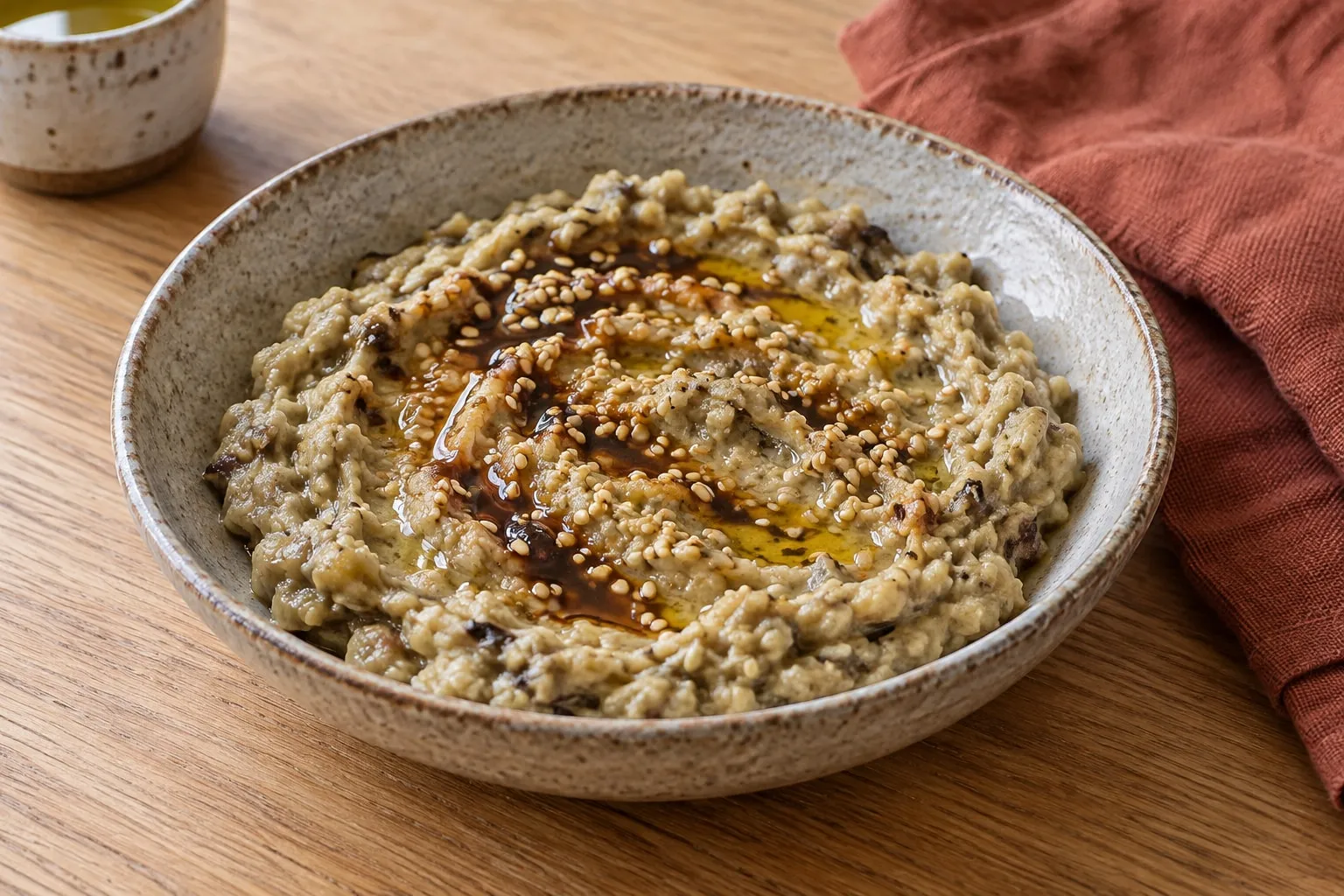
Burnt Eggplant and Date Molasses Dip offers smoke and a softer texture alongside crisp bread. Charred eggplant, tahini and lemon meet a little date sweetness, with rough strands of flesh still visible. Date syrup and pomegranate molasses lead to different finishes: one is mellow and caramel-like, the other markedly tart.
For a tray that can serve as dinner, Chicken Shawarma Nachos scatters spiced ground chicken over sturdy pita chips. Feta, red onion and lemon-tahini sauce complete it. Have everyone ready before adding the drizzle, because even a strong chip has a limit once it’s under warm toppings.
Toum Roasted Potatoes supply another sharp, rich pairing: browned potatoes with Lebanese garlic sauce. Toum is an emulsion of garlic, lemon and neutral oil, with a forceful raw-garlic flavor. The recipe makes extra sauce for dipping; you don’t need to bury every crisp edge under it.
Choose a Texture, Then Choose the Vegetable
A mushroom’s shape can matter as much as its flavor. King Oyster Mushroom “Scallops” with Brown Butter use thick stem rounds with broad faces for searing. Crispy Enoki Mushroom Fries use tiny connected fans, giving the starch coating many fine edges. One offers a substantial bite; the other a delicate crunch for dipping in sriracha mayonnaise.
Grated Tofu “Ground Beef” Tacos also begin with a change of shape. Extra-firm tofu becomes shreds that brown in a thin layer on a baking sheet. Warm tortillas, avocado and lime balance those chewy, seasoned pieces. Soft tofu wouldn’t give the grater the same structure to work with.
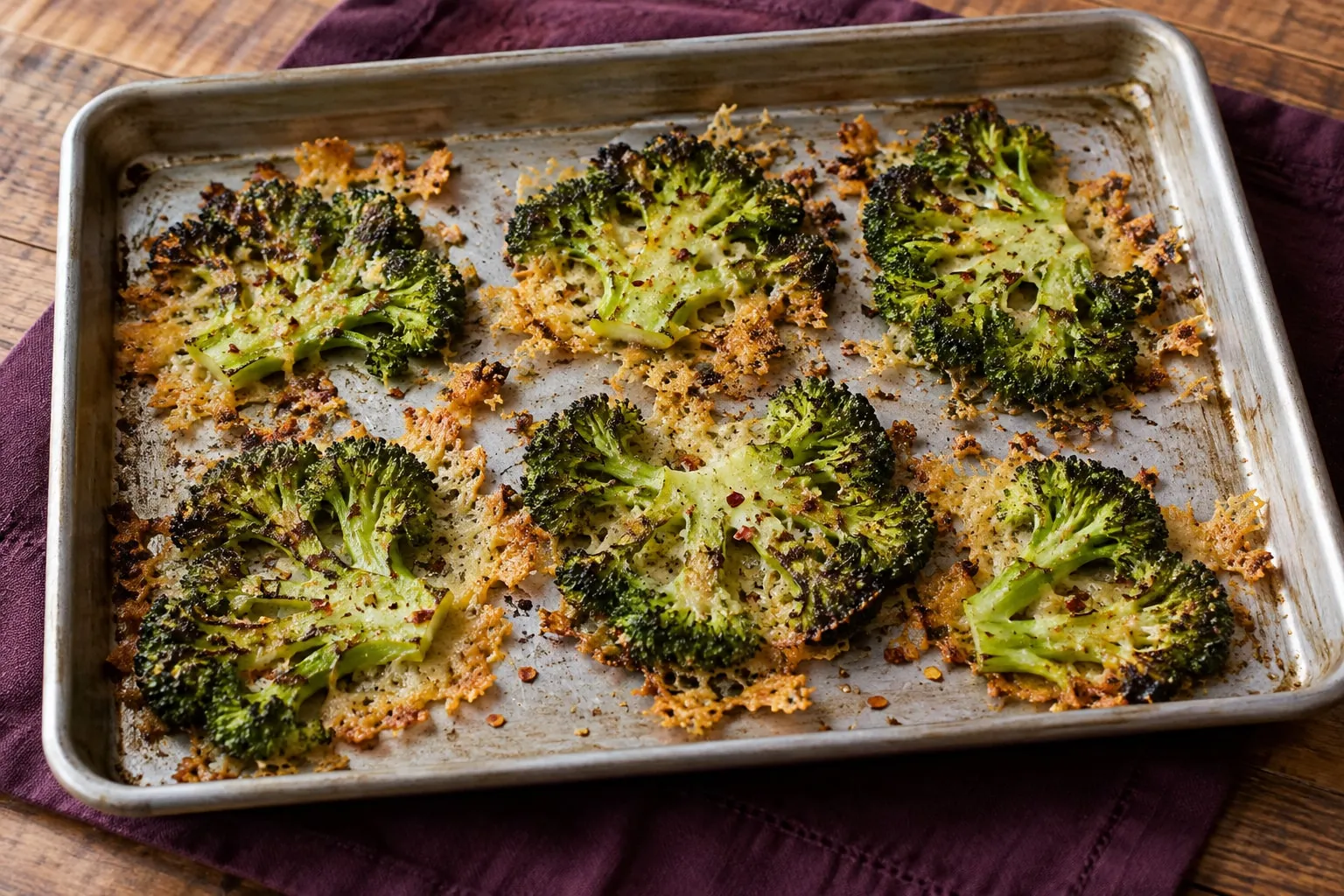
Crispy Smashed Broccoli with Parmesan flattens blanched florets so more surface meets the hot tray. Cheese catches around the edges in a golden skirt. The nutritional-yeast alternative adds savor, but choose Parmesan if the melted crust is the feature you’re after.
At the softer end of the table, Sunflower Seed Risotto surrounds plumped seeds with broth, butter and Parmesan. The seeds keep a gentle chew. This is a small side dish with an hour’s soak in its schedule, suited to planning alongside a main course rather than improvising at the last minute.
The Preparation You Can Move to Yesterday
Carrot Lox needs at least a day in its refrigerated marinade. That makes it a poor spontaneous breakfast and a practical planned brunch: smoky ribbons are ready to arrange on bagels while the bread toasts. Count the marinade within the storage allowance from roasting.
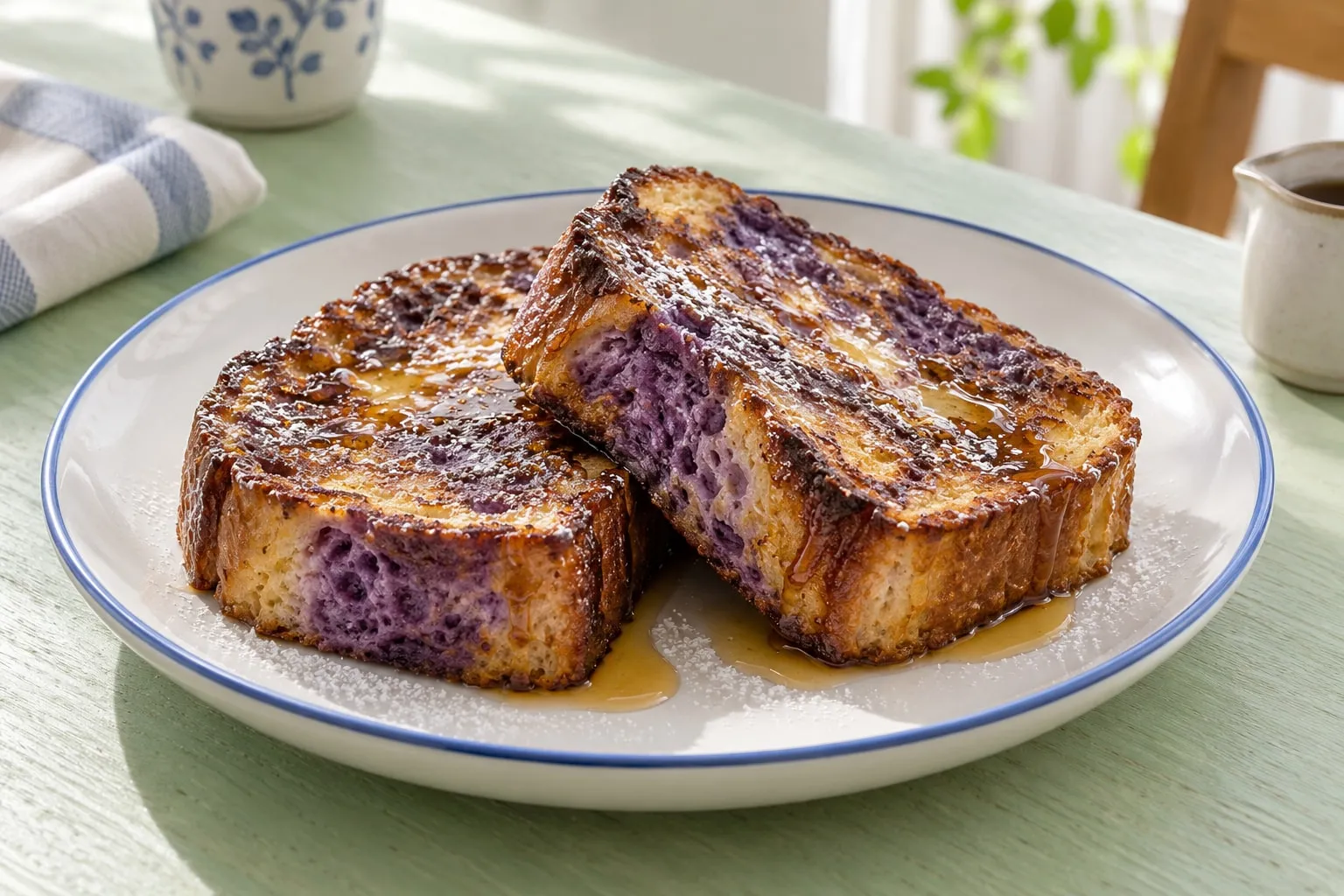
For something cooked on the morning itself, Ube French Toast uses Filipino purple-yam jam and extract in a thick slice of custard-soaked bread. Ube has a gentle nutty, vanilla-like flavor; the jam and extract both affect its sweetness and color. The recipe explains which products to buy so the purple label isn’t the only guide.
Two desserts move much of their elapsed time away from the stove. Black Sesame Cookies with a Soft Center need a frozen paste filling before shaping, and Yuzu Lemon Bars need cooling and chilling after baking. Choose the cookies for a warm, roasted-sesame center; choose the bars for a fragrant, tart finish that can be sliced cold.
The fried-chicken option is Mala Hot Chicken Sandwiches. Sichuan pepper and chili give the glaze its tingling heat, with pickles against the rich coating. Allow for the refrigerated marinade and crust rest before frying. It’s the dish here that deserves your attention at the stove close to serving.
For the baking ingredients, read past the large print on the package. Pure black sesame paste differs from a sweet sesame spread, and the cookies need ground roasted sesame powder as well. Buy pure unsweetened yuzu juice for the bars; sweetened drinks and ponzu would change the filling. One well-chosen jar is enough to begin with, provided it’s the ingredient the recipe was written to use.