
- Vintage
- 1862
- Shrubs
- Drinks
Three Shrubs from Jerry Thomas: Berries, Cherries, and Clarified Rum
Compare raspberry vinegar, warm cherry extraction, and milk-clarified rum in three home adaptations from Jerry Thomas’s 1862 book.
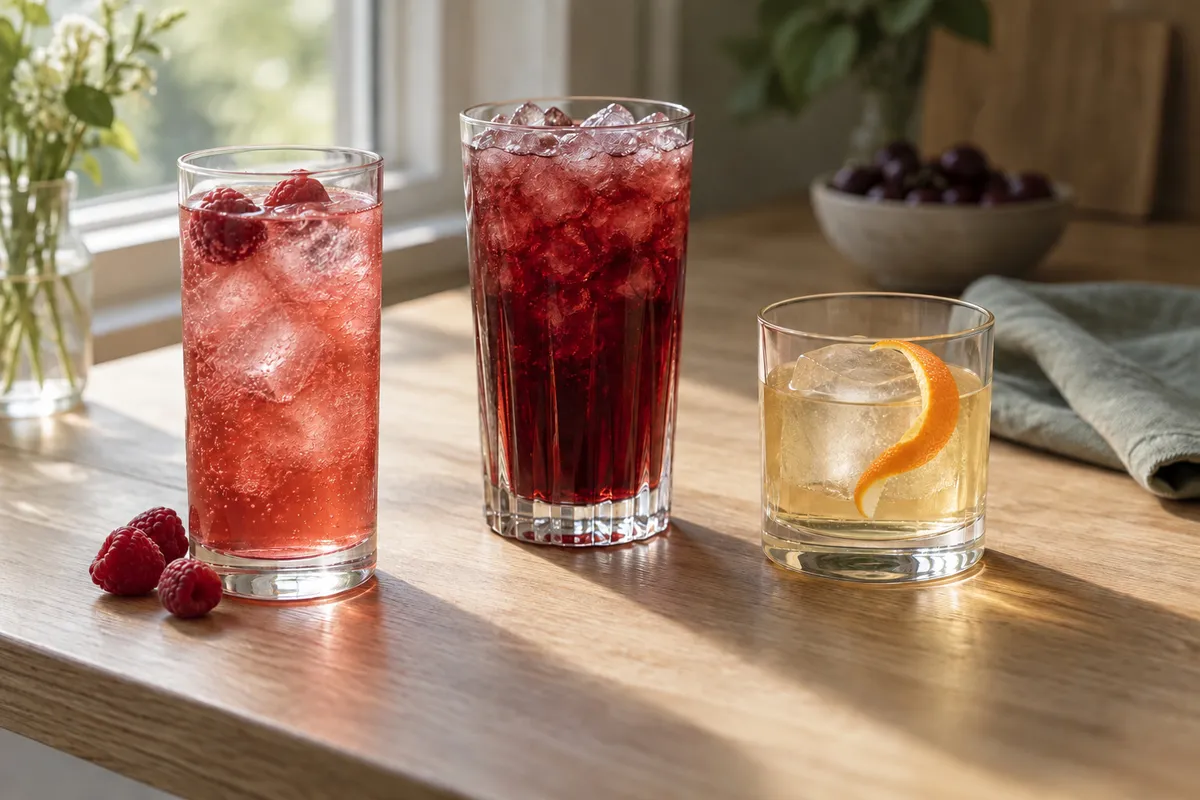
A milk-clarified rum and citrus cordial shares the name “shrub” with raspberries steeped in vinegar. Jerry Thomas puts both in his 1862 drinks book, alongside cherries warmed gently inside another pot of water. The name covers three quite different preparations.
How to Mix Drinks, or The Bon-Vivant’s Companion offers a useful choice to a home host: spend a day waiting for a berry steep, attend to the cherries over water, or let milk curds and paper filtration change the citrus-rum mixture. The fruit and the preparation time both matter when deciding which bottle to make.
Our three companion recipes follow those ideas with measured home batches. They also make the spirit content explicit. Raspberry and cherry shrub contain brandy, and the English rum shrub has rum as its base. Diluting a dose with sparkling water gives a longer drink, with alcohol still present.
Read the method before choosing the fruit
The verbs give each short paragraph its shape. Raspberry stands before it is strained and sweetened. Cherry releases juice over indirect heat. English rum shrub steeps, receives milk, settles and filters. The waiting happens in different places.
Those are useful distinctions for a home cook. A berry steep can happen while the refrigerator does the waiting. A cherry preparation needs a stable water-heating arrangement. Milk clarification asks for patience with a filter and enough space for the receiving vessel.
The original measures leave questions too. Thomas specifies a wine-glass of brandy for raspberry shrub without giving that glass’s capacity. For cherry shrub he gives a gill per bottle, without defining the bottle size. Our recipes supply fixed amounts for the modern batches.
The amount recovered matters more for serving plans than the sum of the inputs. Fruit holds liquid after straining, a simmer loses water, and curds retain some of the rum mixture. Measure the bottle you actually finish before counting glasses.
Raspberry: a cold steep, then a saucepan
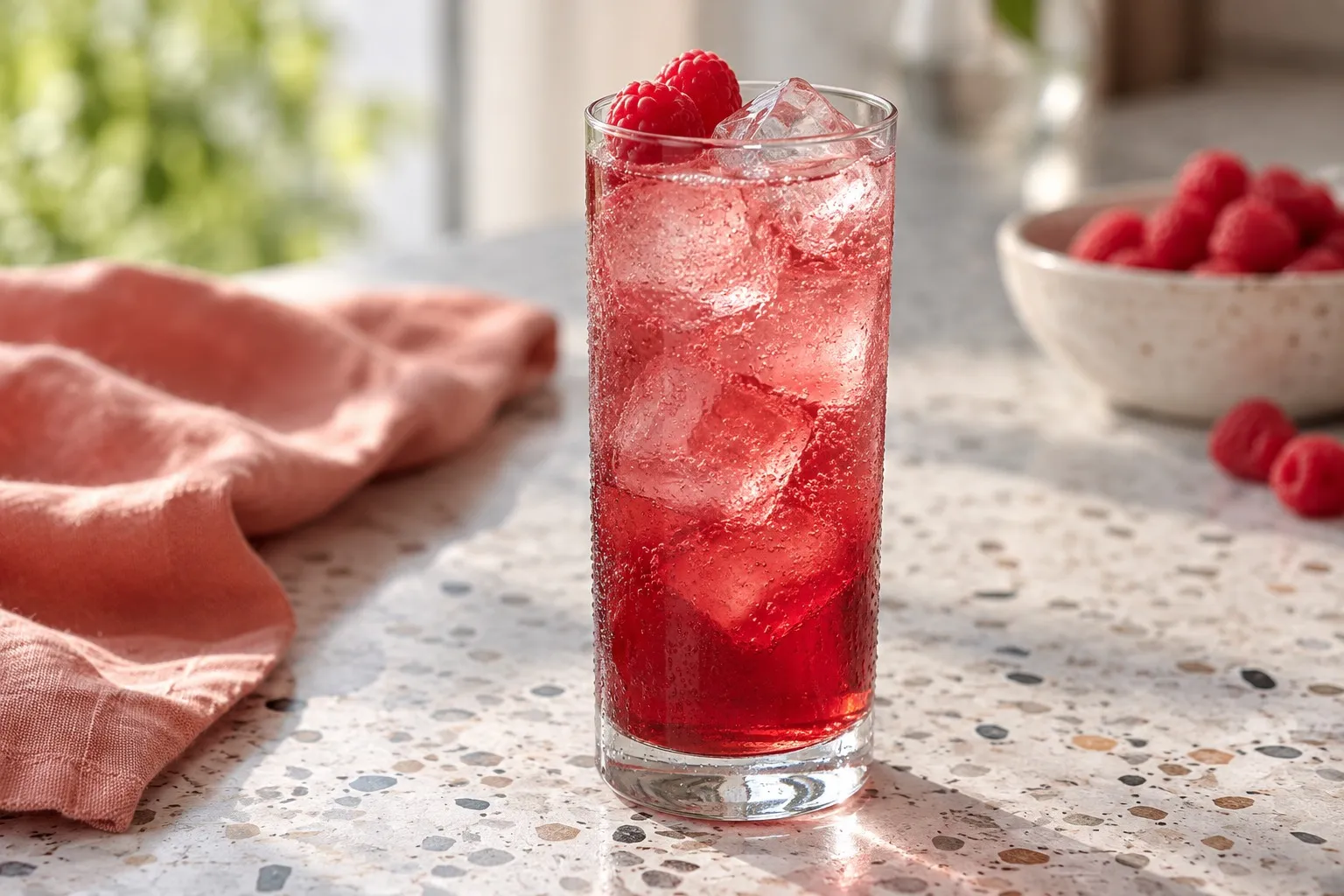
The raspberry shrub begins with fruit and commercial cider vinegar. We refrigerate that mixture for a day, then strain it before adding sugar and cooking the liquid. Brandy goes in when it is cold.
Letting the fruit drain by gravity keeps some pulp out of the cordial, although a little berry haze may remain.
Thomas relates his sugar dose to the amount of strained liquid. Our version uses a fixed sugar amount alongside a weighed berry input, with those changes recorded in the recipe notes. The vinegar label specifies its starting strength; it does not tell us the final acidity after fruit juice and other ingredients have joined it.
For a glass, start with 30 milliliters of cordial and about 150 milliliters of sparkling water over ice. Add more water if you prefer a longer, less intense drink. A fresh raspberry garnish is optional, and the syrup itself is the main work.
An estimated 750-milliliter batch gives about twenty-five of those small doses. Measure what you actually make: drainage and evaporation can shift the yield. Use the measured finished volume to work out how many 30 ml servings you have.
Cherry: keep the heat gentle
Thomas places the cherries in an earthen pot inside an iron pot of water, then strains and sweetens the extracted juice. It is an indirect heating method that gives the fruit time to soften and release liquid.
Our cherry shrub uses a heatproof upper bowl over simmering water. The bowl gives a home kitchen a familiar way to pursue that indirect heating. Make sure it sits securely, keep the lower water at a gentle simmer, and check that the pan does not run dry.
We choose tart cherries, weighed after stems and pits are removed. The vinegar and water in our formula are modern flavor additions; neither appears in Thomas’s selected cherry paragraph.
The fruit drains through cloth before the sugar dissolves in the warm juice. After cooling, brandy completes the cordial. Thomas also names Irish or Monongahela whiskey as alternatives, so the source itself leaves a choice of spirit. The modern recipe chooses brandy, with whiskey offered as a flavor variation.
Serve about 45 milliliters over ice with sparkling water. With an estimated 650-milliliter batch, plan on about fourteen doses and check the actual amount after straining.
Rum and milk: let the filter work

The English rum shrub has no vinegar in the selected formula. Citrus juice, thin lemon peel, sugar, and Jamaican rum steep together before milk is added.
The curds are intentional. You can watch them form, then let the mixture settle before filtering. The paper and curd layer hold back visible material while liquid drips into the receiving container. Avoid pressing or squeezing to hurry it along; use a stable setup and allow the time the actual filter needs.
Our version contains more citrus and milk in relation to the rum than Thomas’s original, while keeping the orange-to-lemon ratio at two to one. Refrigerated steeping and modern coffee-filter paper are also explicit choices.
The filtered drink may be transparent or lightly hazy. It still contains alcohol and milk allergens.
Pour a small 60-milliliter serving chilled or over a large ice cube in a rocks glass. An expressed orange peel can finish the glass. About fifteen pours is a planning estimate for a 900-milliliter finished batch; filtration losses and the curds can change that volume.
Choose a batch you have time to serve
Make these for near-term drinking and keep them refrigerated during waiting and storage. Each recipe’s short-use plan includes the steeping time.
For a gathering, make one cordial and offer its simple glass-by-glass serving. Raspberry needs a day in the refrigerator; cherry is the shorter project; rum requires an overnight steep and variable filtration time. A paper filter that drains slowly is a reason to adjust the schedule, not squeeze the mixture through or leave it warm all day.
A glass of the finished cordial is the small part of each project. The real choice is whether you want vinegar-led berries, tart cherry juice or citrus beside rum. Choose that first, then leave the steep or filter the time it needs.
Thomas also pays close attention to the ice and glassware around a drink. Cobbler, Crusta, Julep and Rickey follows four historic cocktails through those serving choices.
The name covers more than one tradition. Our sister site, Forgotten Drink, explores the two different drinks called shrub.
Source note
The source is Jerry Thomas’s How to Mix Drinks, or The Bon-Vivant’s Companion (New York: Dick & Fitzgerald, 1862). Cherry Shrub is recipe 154 on page 63; Raspberry Shrub and English Rum Shrub are recipes 157 and 160 on page 64. Recipe 159 is another rum shrub without milk, so the clarified version should not define every drink with that name. The linked recipes explain their modern quantities and method changes.