
English Rum Shrub (1862 Milk-Clarified Adaptation)
Rum, citrus, and lemon peel steeped with sugar, then milk-clarified and filtered for a chilled sipping cordial.
- Original yieldYield
- About 900 ml finished cordial, approximately 15 portions of 60 mlAbout 900 ml finished cordial, approximately 15 portions of 60 ml
- PrepPrep time
- CookCook time
- TotalTotal time
Plans for a 12-hour refrigerated steep, 20 minutes milk cooling, 1 hour refrigerated settling, and about 4 hours filtration. A 16-hour steep or slow filtration adds time.
Published Updated
Original recipe: About 900 ml finished cordial, approximately 15 portions of 60 ml
The story behind the recipe
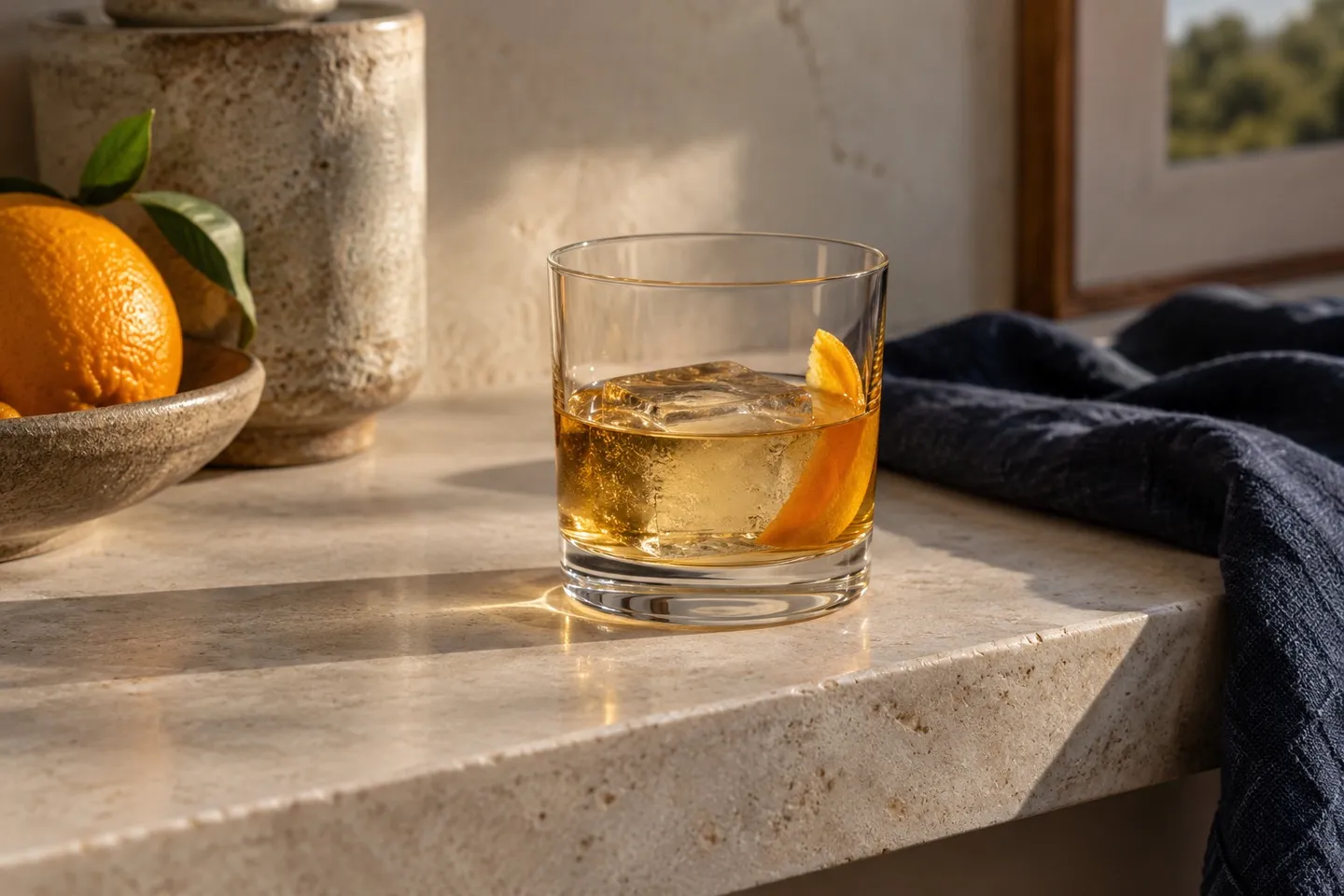
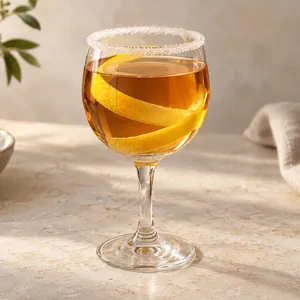
Milk makes this rum drink cloudy before a filter makes it clearer. Citrus curls, pale curds and a slow golden drip are part of the preparation. The finished shrub is a small sipping cordial with Jamaican rum, orange, lemon and sugar, ready to pour cold.
A shrub without vinegar
The word shrub can lead you toward a fruit-and-vinegar cordial. Jerry Thomas's English Rum Shrub takes another direction. Recipe 160 in his 1862 How to Mix Drinks combines rum and citrus with sugar, then uses milk and filtration after an overnight steep. The neighboring rum shrub has no milk, so even two recipes on the same page offer different projects.
There's no vinegar in this one. Orange and lemon juice supply the citrus, with twice as much orange as lemon. Thin yellow lemon peel brings another part of the fruit into the rum. The white pith is left behind.
The name “English” belongs to Thomas's entry; the rum specified here is Jamaican. The citrus and filtering method tell you what to expect from the bottle.
Read more about this recipe
What happens to the milk
Milk forms visible curds in the acidic mixture. Those curds are expected. The later filtering lets liquid pass through paper and the curd layer, collecting a clearer cordial below.
Watching it is part of the pleasure of making the batch. The first liquid may be cloudy enough to return gently through the same filter, and the flow can take hours. A lightly hazy result can still be a perfectly recognizable rum-and-citrus cordial; the glass needn't become an exercise in chasing absolute transparency.
Thomas used a flannel bag lined with blotting paper for a much larger batch. Plain coffee-filter paper gives a home cook a familiar setup on a smaller scale. Choose the recipe if a slow filtering afternoon sounds appealing, and leave room in the schedule for the actual paper and mixture you're using.
Rum and citrus in a small glass
Jamaican rum is the largest liquid ingredient. Orange gives it a rounder fruit flavor and lemon a sharper edge, with sugar sweetening the mixture. A neat serving keeps those flavors concentrated; a large cube adds a colder, gradually lengthening finish.
An expressed orange peel is optional at service. It's separate from the lemon peel used in the batch, and a small piece supplies aroma without crowding the glass with another fruit arrangement.
The amount recovered changes with the curds and filtration. Measure the finished cordial before counting 60 ml pours. A little less liquid in the bottle can simply mean more has stayed in the filter.
Planning for the waiting
This preparation needs advance time: a long refrigerated steep, settling and slow drainage. It rewards choosing the occasion before choosing the batch size. The modern recipe is kept cold throughout the waiting stages, with handling and storage details in the notes.
If you want to compare its citrus character with a vinegar cordial, make a small glass of raspberry shrub beside it. For a shorter active preparation, cherry shrub draws its juice over gently simmering water. The three-shrub comparison follows their different schedules.
A clear-looking cordial still contains milk and alcohol. Keep those facts visible when offering a glass, especially to someone avoiding dairy. Clarification changes the appearance; it doesn't remove the need to say what's in the drink.
The name covers more than one tradition. Our sister site, Forgotten Drink, explores the two different drinks called shrub.
Make it your wayOriginal: 15 servings · Makes About 900 ml finished cordial, approximately 15 portions of 60 ml
Original recipe: About 900 ml finished cordial, approximately 15 portions of 60 ml
Ingredients
For About 900 ml finished cordial, approximately 15 portions of 60 ml. Quantities are shown as written.
Source measurement convention: Metric. Explicit unit definitions take precedence; unconfirmed measures must be checked before conversion.
Original quantities for About 900 ml finished cordial, approximately 15 portions of 60 ml.
For the cordial
- Jamaican rum, 40% alcohol by volume750 ml
- Freshly squeezed orange juice, strained120 ml
- Freshly squeezed lemon juice, strained60 ml
- Lemons, for thin yellow peel only2
- Superfine sugar180 g
- Pasteurized whole milk180 ml
For serving
- Orange peel, optional, for serving
Measurement notes
Measurement notes
Original ingredients
- 750 ml Jamaican rum, 40% alcohol by volume
- 120 ml freshly squeezed orange juice, strained
- 60 ml freshly squeezed lemon juice, strained
- 2 lemons, for thin yellow peel only
- 180 g superfine sugar
- 180 ml pasteurized whole milk
- Orange peel, optional, for serving
Equipment
 Small saucepan
 Fine-mesh strainer
 Tumbler or large rocks glass
- Airtight glass container
 Coffee-filter-lined funnel
Instructions
Peel the lemons
Wash the lemons and remove only thin yellow peel, leaving the white pith behind. Reserve the peeled fruit for another use; use the separately measured lemon juice for this recipe.
Mix and refrigerate the citrus infusion
Combine the rum, orange juice, lemon juice, peel, and sugar in a clean lidded glass container of at least 1.5 liters capacity. Stir well; any remaining crystals can dissolve during the steep. Cover and refrigerate for 12 to 16 hours.
Heat and cool the milk
Heat the milk in the saucepan until steaming and just beginning to simmer. Remove from heat and cool promptly in a cold-water bath for about 20 minutes. Use cold or cool milk; do not hold it warm on the counter.
Add milk and let the curds settle
Pour the cooled milk into the infused rum mixture and stir gently once. The acidic mixture will form curds. Cover and let settle in the refrigerator for 1 hour.
Set up the filter and strain the peel
Set a sturdy funnel or coffee dripper lined with a plain paper coffee filter over a clean receiving container. Make sure the setup is stable. Strain out long peel strips through the fine-mesh strainer, then gently pour the curd mixture into the paper filter without overfilling.
Let the cordial filter gently
Allow the liquid to drip without squeezing. Return the first cloudy liquid gently through the same filter once if useful. Filter in manageable portions, keeping waiting mixture refrigerated. Keep total room-temperature handling under two hours, or one hour above 32°C (90°F); use a stable setup in the refrigerator for longer draining. Four hours is a planning allowance, and some filters take longer.
Measure and bottle the cordial
Measure the finished liquid and transfer to clean refrigerated bottles or containers with at least 1.2 liters total capacity. Expect about 900 ml, with losses varying by filter and curds. Refrigerate immediately.
Serve chilled
Serve about 60 ml chilled, neat or over a large ice cube in a rocks glass. A freshly expressed orange peel is an optional serving garnish, separate from the batch ingredients.
Estimated calories 130 kcal
Nutrition portion: 1/15 of recipe · Original yield: About 900 ml finished cordial, approximately 15 portions of 60 ml
Source & assumptions
Rough ingredient-based estimate per one-fifteenth batch, nominal 60 ml. Models milk clarification with an acid-whey equivalent and liquid recovery from a published comparable filtered milk punch; actual curd losses and finished yield vary. This is a modeled estimate, not a measured result. The listed milliliters describe the approximate original yield, not a measured dose.
Recipe notes
When adjusting quantities
Ingredient amounts can be adjusted; vessel capacity, cooking, cooling and curing times need their own checks.
Original recipe notes
These notes describe the original recipe. Quantities mentioned here do not change when you adjust servings.
Milk clarification doesn't make this cordial milk-allergen-free or alcohol-free. Don't offer it as suitable for someone avoiding dairy.
Keep every stage refrigerated at 4°C (40°F) or below. Use within four days from the start of preparation. This conservative short-use plan doesn't establish a longer shelf life; sugar and rum don't make the batch suitable for pantry storage.
Use clean plain coffee filters, not treated blotting paper. Don't squeeze the filter. Clarity and drainage time vary with the milk, juice and paper; keep waiting portions cold.
Jerry Thomas, How to Mix Drinks, or The Bon-Vivant's Companion (1862), no. 160, p. 64; no. 159 is a different rum shrub without milk. Our batch preserves the 2:1 orange-to-lemon ratio but uses more citrus and milk relative to rum, with defined home quantities, refrigerated waiting and paper filtration.
Read the scaling guide. Times, temperatures and equipment need their own consideration. Open the recipe tool to review and correct individual amounts.
Recipe details
- Recipe tradition
- Vintage
- Course or meal
- Drink
- Cuisine
- American
- Main ingredient
- Fruit
- Browse category
- Drinks & Cocktails