
- Vintage
- Cocktails
- Ice
Cobbler, Crusta, Julep and Rickey: How Historic Cocktails Use Ice
Explore how the Cobbler, Crusta, Julep and Rickey use ice differently, with four modern adaptations from Thomas and Johnson.
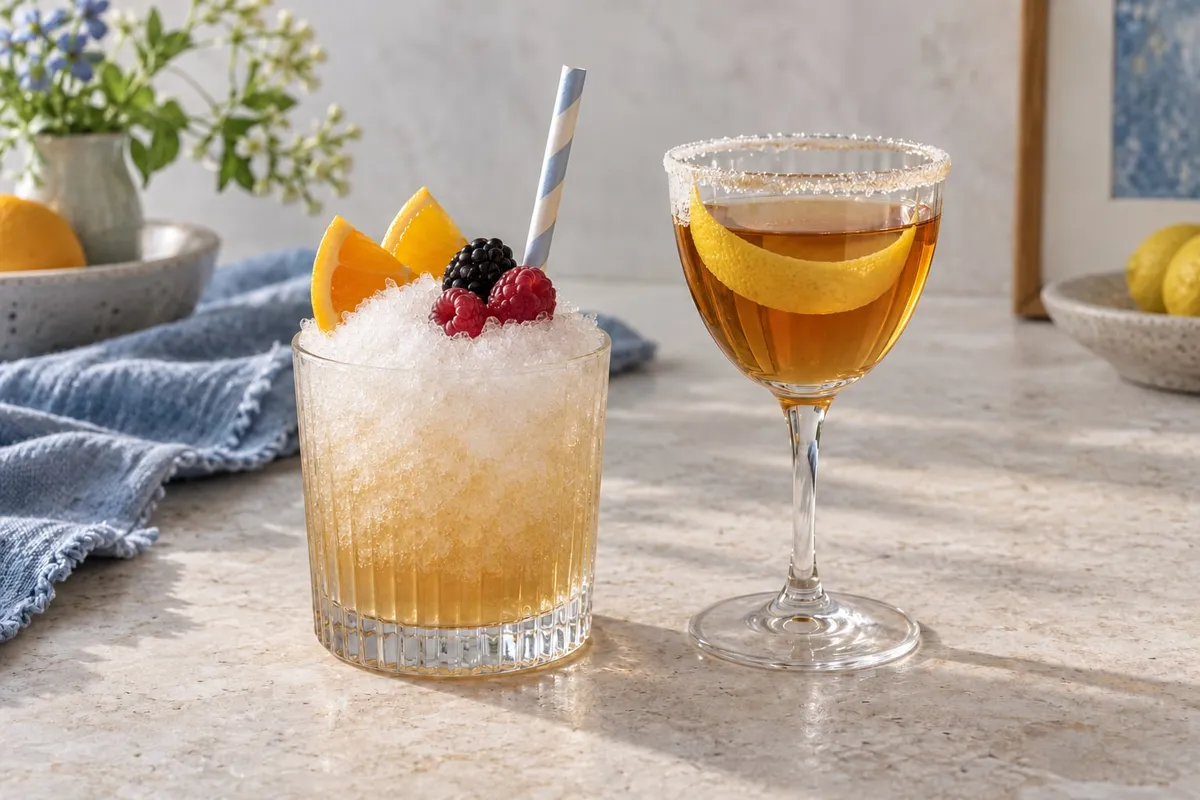
In a Sherry Cobbler, the ice goes into the glass with the drink. In a Brandy Crusta, the mixed liquid is strained into a glass dressed with sugar and a coiled lemon peel. Open a nineteenth-century bar book and you’ll find several approaches to chilling, often within a few pages of each other.
Jerry Thomas’s 1862 recipes and Harry Johnson’s 1900 manual make a useful starting point for exploring those differences. Shaved ice, small lumps and strained drinks coexisted. They weren’t steps in a neat sequence from one technique to the next.
The serving instructions are often as revealing as the ingredients. Thomas asks for berries, a straw and a carefully dressed glass; Johnson specifies a different vessel and a small number of ice pieces for his Rickey. Cold is only part of what these choices accomplish. They also decide what remains in the glass, where the garnish sits and how the drink reaches your mouth.
For a home bar, choose the texture as well as the bottle: packed fruit and ice, a mint bouquet, a prepared lemon-lined bowl or a bubbling highball. These four drinks can all be cold and still feel quite different to serve and sip.
The garnish belongs to the design
On Thomas’s Sherry Cobbler page, the introductory passage treats appearance as part of making the drink. He supplies an illustration and follows it with a recipe that ends in seasonal berries and a straw. The fine ice isn’t a hidden tool discarded after mixing. It fills the serving vessel, supports the decoration and surrounds the liquid the straw draws through.
His Mint Julep is similarly attentive to arrangement. The recipe presses mint into sugar and water, then removes the sprigs and reinserts them with their leaves above the ice. It adds berries, sliced orange, a dash of Jamaica rum and a final sprinkle of sugar. Our simpler mint-topped version keeps the bouquet and straw while omitting the fruit and final sprinkle.
The Crusta gives the peel a more structural job. Thomas asks the bartender to pare half a lemon continuously, like an apple, so the strip fits inside the wine glass. The sugar goes around the rim before the drink is strained into it. That glass needs to be ready before the mixing begins. Trying to add the lining after pouring would miss the order that makes the presentation possible.
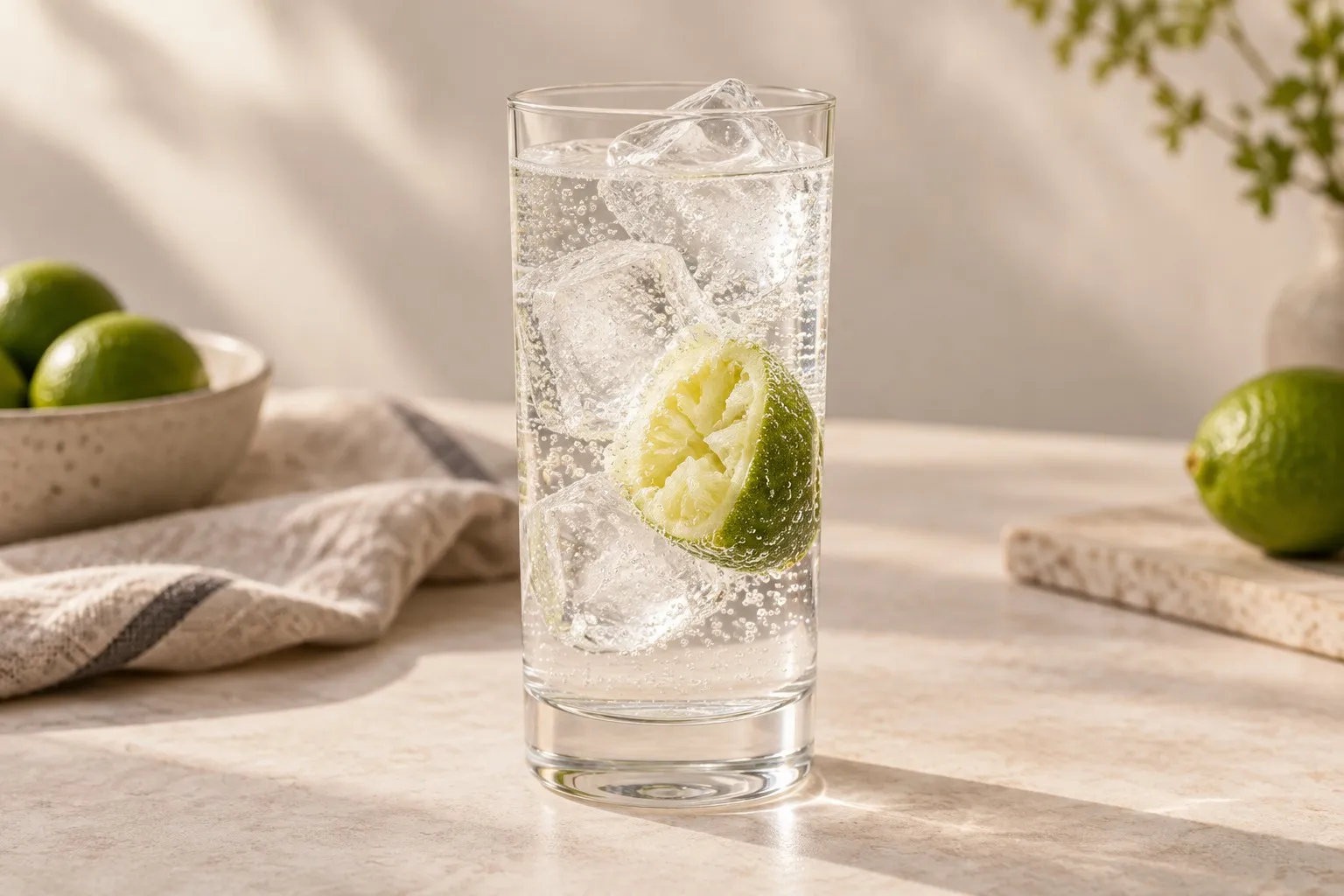
Johnson’s Rickey is the quieter arrangement: pieces of ice, squeezed lime, gin and a carbonated top-up. He asks for juice; the familiar spent lime half is a garnish in our modern serving.
Look at where the ice ends up
The Cobbler and Julep keep a generous amount of shaved ice in the serving vessel. The Crusta is stirred with cracked ice in our adaptation, then strained into its prepared glass. The Rickey is built over larger pieces and topped with soda.
For a modern home bar, those are four distinct serving choices. Fine ice gives the Cobbler and Julep their packed, snowy texture. Larger pieces leave room for the Rickey’s liquid. A strained Crusta puts its lemon coil and sugar crust on display. Follow the ice form and serving method in each recipe to get that drink’s particular finish.
The clearest evidence against a simple progression is on Johnson’s printed page 241. His Gin Rickey calls for one or two pieces of ice, while the St. Croix Sour and Coffee Cocktail above it use finely shaved ice. The same manual accommodates both forms.
The ice’s destination is the useful question: it can make the cold mixture and leave, or remain around the drink as it is sipped.
Four ways to serve a cold drink
Sherry Cobbler
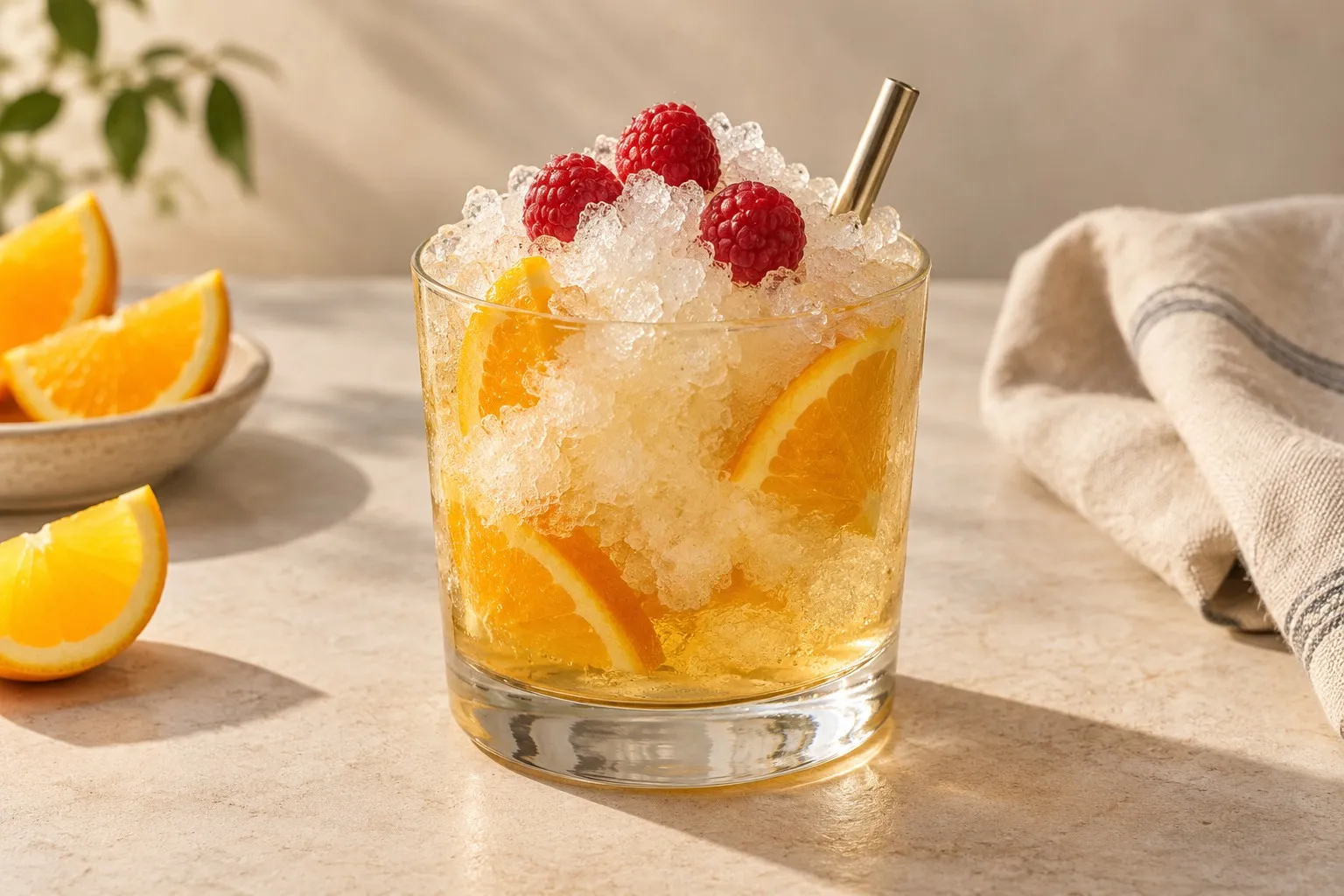
Source: Thomas (1862), recipe 98, p. 47
Sherry, sugar and orange are shaken and poured without straining, then packed with shaved ice and finished with berries. A straw is useful here: the ice is part of the serving texture, not something removed before drinking.
Choose the Cobbler for wine, orange and a generous mound of fine ice. Dry Amontillado is the sherry specified in the modern recipe; quartering and pressing the orange brings its juice and peel oils into the mixture before shaking.
Brandy Crusta
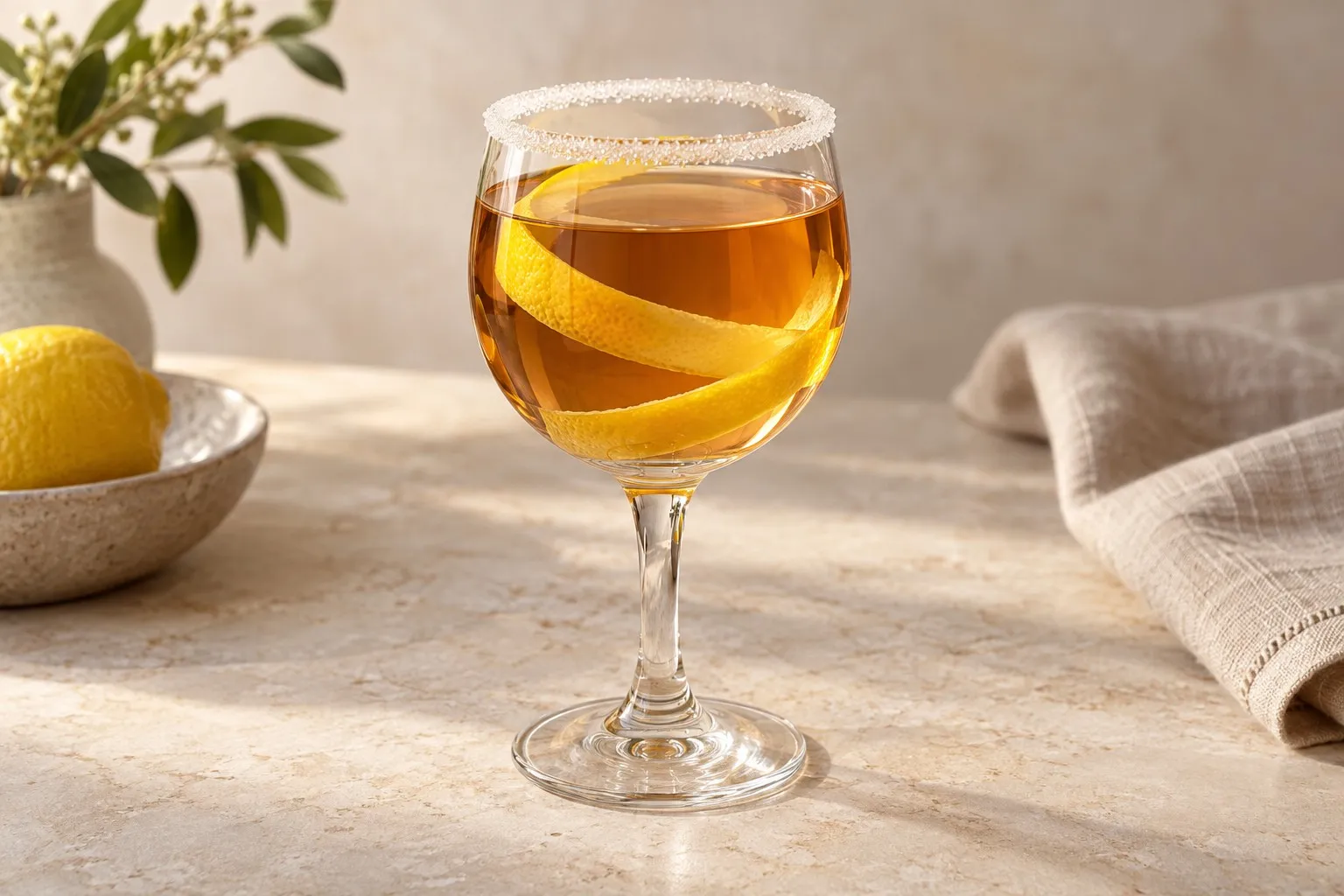
Source: Thomas (1862), recipe 116, p. 52; base cocktail on p. 50
Prepare the sugar rim and long lemon coil first. Cognac, Curaçao, lemon, syrup and bitters are mixed separately, then strained into the glass. The modern amounts are an adaptation of Thomas’s linked cocktail and Crusta instructions.
Thomas’s Crusta refers back to a Fancy Brandy Cocktail, which in turn refers to his Brandy Cocktail. Reading only the Crusta paragraph would leave out the base ingredients. Our recipe brings them into one practical list and uses a larger measured Curaçao pour than the source’s dashes. Choose this drink for its citrus-lined glass and concentrated brandy mixture, with no serving ice added in our version.
Real Mint Julep
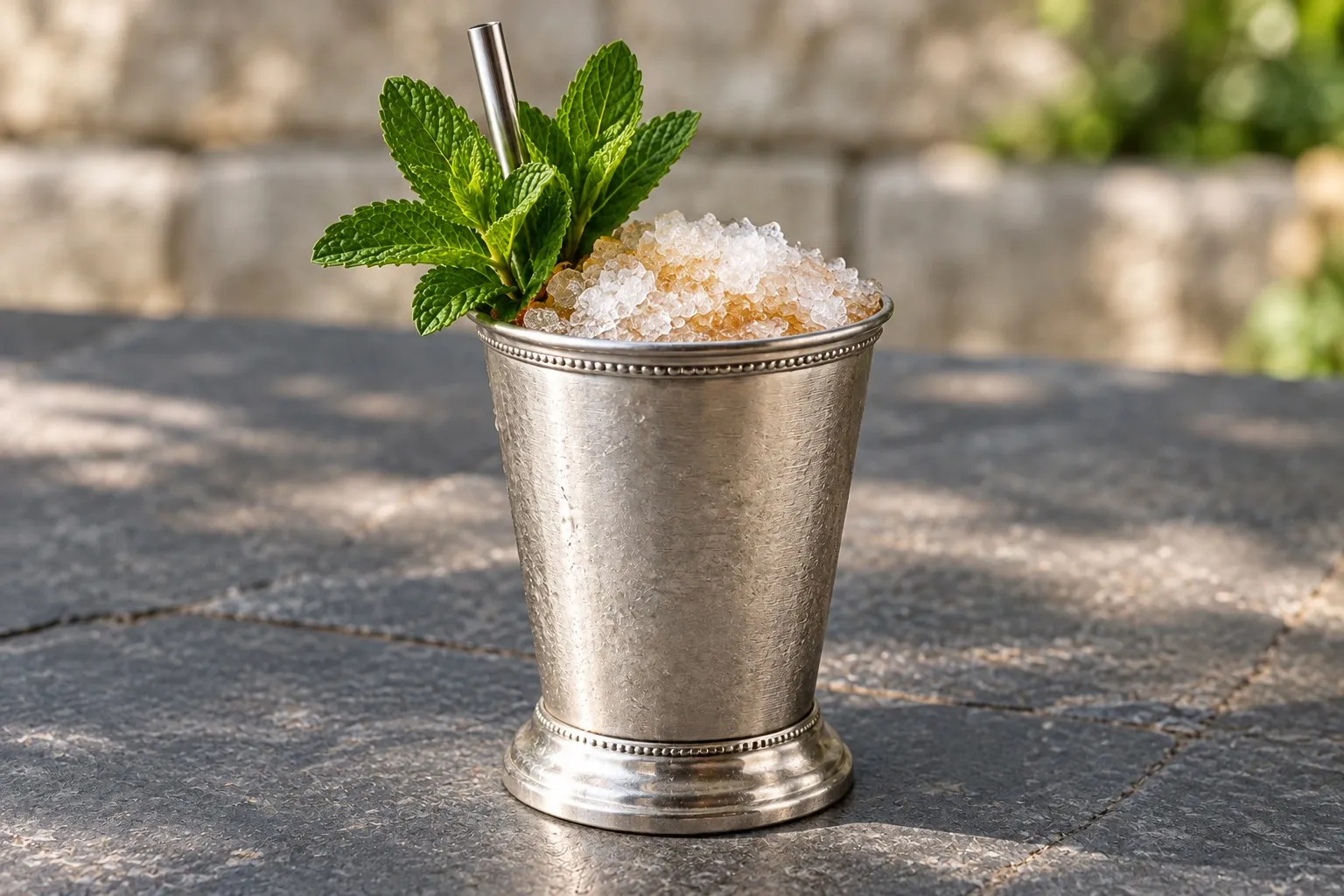
Source: Thomas (1862), recipe 88, p. 44
This version uses Cognac with a Jamaican rum float, mint and plenty of shaved ice. The metal cup and simplified mint handling are modern serving choices. Keep the drink cold and the mint close to the straw without waiting for frost to appear.
If “julep” makes you reach automatically for bourbon, this recipe offers a different starting point. Thomas specifies Cognac and a Jamaica rum finish. Our amounts are chosen for one modern serving, and our mint method presses one sprig while reserving three fresh sprigs for the bouquet. The aroma beside the straw is part of the experience even though the historical fruit decoration is left out.
Gin Rickey
Source: Johnson (1900), p. 241
Gin, lime and soda make a dry highball over larger pieces of ice. The spent lime half is our garnish, not a requirement in Johnson’s recipe. London Dry gin is also a modern choice in place of his Tom or Holland gin.
Choose the Rickey for a carbonated gin drink with no added sugar. Cold soda and a brief stir keep its finish lively. The modern list sets gin, lime and soda measures; Johnson’s old wine-glass and variable fruit sizes leave the serving volume open.
How much ice to have ready
Follow the ice form and strain-or-retain instruction in each method. The Julep and Cobbler include a measured shaved-ice allowance for their serving texture. The Crusta uses mixing ice that is strained away; the Rickey keeps serving ice in its glass. The linked recipes supply their modern liquid measures; the ice allowances describe the serving texture.
The two packed drinks each list one and a half cups of shaved ice. That is an allowance of solid ice for the texture of the serving, not an equal volume of water to pour into the mixture. In the Cobbler, a small scoop goes into the shaker and the rest goes into the serving glass. The Julep’s ice is packed directly into its cup. Keeping those roles distinct prevents the measured allowance from being counted twice.
Melting ice contributes water even to a drink strained before serving. Starting temperature, ice form and the wait before drinking all matter, so the measured liquid ingredients alone don’t tell you the complete finished volume.
Set up for the serve you choose
For the Cobbler and Julep, have the fine ice and garnish ready before you mix. A shaker and muddler suit the Cobbler’s orange preparation; a spoon or muddler handles the Julep’s sugar and mint. Both need a drinking straw. The linked recipes keep the berries with the Cobbler and the fresh mint bouquet with the Julep, so their toppings remain distinct.
For the Crusta, give yourself time to prepare a glass that can hold the lemon coil and sugar crust. The Rickey needs less garnish preparation, but its highball still needs room for ice, liquid and the soda top-up.
If you’re making several servings, scaling the liquids doesn’t settle the equipment. Each Crusta still needs its own prepared glass and coil; each Rickey is built in its serving glass. A doubled Cobbler also has more retained ice and fruit to accommodate. Choose an appropriate batch size for your shaker and arrange the serving vessels before you begin.
A dressed Crusta glass can wait before mixing; a packed julep needs its ice and mint ready for the pour. Arrange the parts that take time first, then finish the cold drink when it is wanted.
There is more fruit work in Thomas’s book than a garnish alone suggests. His three shrub preparations steep berries, warm cherries and clarify a citrus-rum mixture with milk. For a later home-host project, Bradley’s refrigerator cookbook puts cherry-and-mint decorations inside the ice itself.
Source note
Jerry Thomas, How to Mix Drinks, or The Bon-Vivant’s Companion (New York: Dick & Fitzgerald, 1862), printed pages 44, 47, 50 and 52; Harry Johnson, New and Improved Illustrated Bartenders’ Manual, revised edition (1900), page 241. The modern versions explain changes to measures, glassware, garnish and technique.