

Ship's Biscuit (1810s Context, Museum Adaptation)
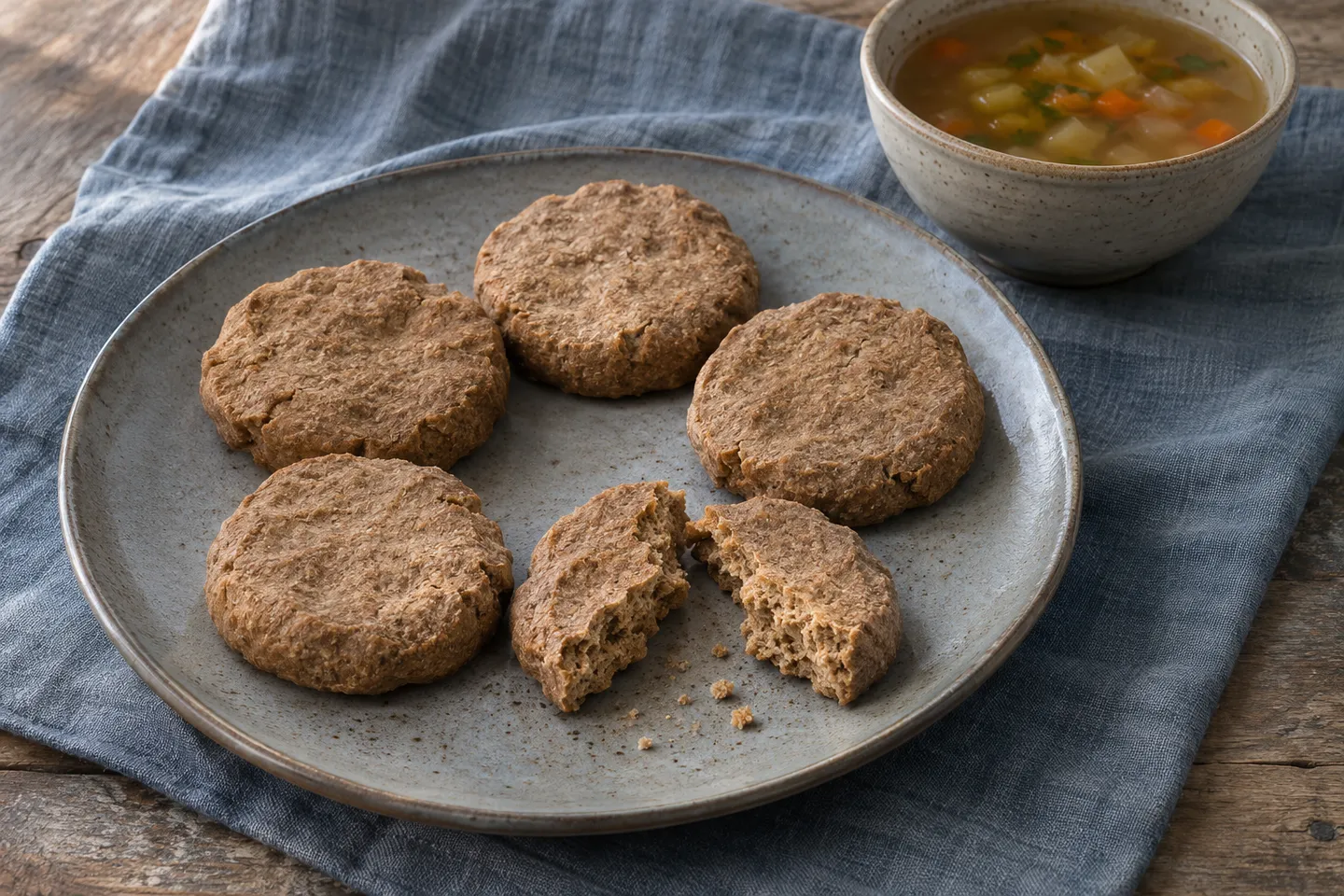
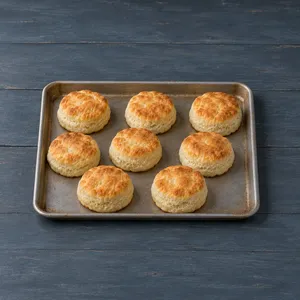
A small batch of firm whole-wheat ship's biscuit, adapted from a museum teaching recipe and intended to be softened in soup before eating.
- Original yieldYield
- 5 small biscuits for a historical tasting5 small biscuits for a historical tasting
- PrepPrep time
- CookCook time
- TotalTotal time
Planning estimates for an untested batch, including 15 minutes cooling. Soften the portion to be eaten in hot soup afterward; allow more soaking time if necessary.
Published
Original recipe: 5 small biscuits for a historical tasting
The story behind the recipe
This is bread you finish preparing in the soup bowl. Whole-wheat flour, water and a little salt make a firm biscuit whose final softening is part of serving it. Try a small batch beside a pot of soup to understand why a sailor's bread could ask so much of the person eating it.
Bread with another job to do
The USS Constitution Museum describes biscuit baked ashore and issued aboard ship during the War of 1812. Sailors softened it in stew; it also became an ingredient in other dishes. This version follows the museum's short classroom recipe rather than attempting to produce food for a lengthy voyage.
Read more about this recipe
A bakery behind the ration
The museum's teaching sheet includes William Burney's 1815 description of a naval bakehouse. Making biscuit was organized work: kneading, forming, dividing and loading the oven were assigned to different workers. Drying continued after baking before the bread was packed. The source helps explain the scale of preparation behind something that looks so plain on a plate.
The home batch has a different purpose. A rolling pin replaces the bakery's heavy equipment, and the museum supplies a domestic oven temperature and a short baking interval. Neither the historical bakery description nor the survival of an old museum specimen establishes how long a newly made kitchen batch will keep. Here, the interesting result is the change from stiff dough to firm bread and then to softened pieces in a bowl.
More than one museum version
There is a meaningful difference between the museum's sources. Its 2011 teaching sheet includes salt and a half-hour bake. A separate 2014 museum article offers an unsalted version with a much longer, cooler bake. Those are different reconstructions, so their quantities and oven instructions should not be combined. This recipe follows the teaching sheet's ingredient balance and cooking temperature, with a smaller piece size chosen for a tasting batch.
Keeping the source's American cup measures avoids pretending that an unweighed cup of flour has an exact gram equivalent. The listed yield is five small biscuits, not five full meals. Soup supplies the serving liquid and should be prepared separately; its flavor belongs to the soup you choose.
Make it your wayOriginal recipe: 5 small biscuits for a historical tasting
Original recipe: 5 small biscuits for a historical tasting
Ingredients
For 5 small biscuits for a historical tasting. Quantities are shown as written.
Source measurement convention: US customary. Explicit unit definitions take precedence; unconfirmed measures must be checked before conversion.
Original quantities for 5 small biscuits for a historical tasting.
- Stone-ground whole-wheat flour2 cups
- Salt1/2 tsp
- Water1/2 cup
- Whole-wheat flour, for the work surface1 tbsp
- Neutral cooking oil, for the baking sheet1 tsp
- Hot prepared soup, for softening and serving2 cups
- Additional hot prepared soup, as needed for complete softening
Measurement notes
- stone-ground whole-wheat flour, water, hot prepared soup, for softening and serving: US cup: 1 = 236.5882 ml (rounded).
- salt, neutral cooking oil, for the baking sheet: US tsp: 1 = 4.9289 ml (rounded).
- whole-wheat flour, for the work surface: US tbsp: 1 = 14.7868 ml (rounded).
Measurement notes
Original ingredients
- 2 cups stone-ground whole-wheat flourUS cup: 1 = 236.5882 ml (rounded).
- 1/2 tsp saltUS tsp: 1 = 4.9289 ml (rounded).
- 1/2 cup waterUS cup: 1 = 236.5882 ml (rounded).
- 1 tbsp whole-wheat flour, for the work surfaceUS tbsp: 1 = 14.7868 ml (rounded).
- 1 tsp neutral cooking oil, for the baking sheetUS tsp: 1 = 4.9289 ml (rounded).
- 2 cups hot prepared soup, for softening and servingUS cup: 1 = 236.5882 ml (rounded).
- Additional hot prepared soup, as needed for complete softening
Equipment
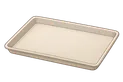 Baking sheet
 Rolling pin
Instructions
Heat the oven and prepare the sheet
Heat a conventional oven to 350°F (about 175°C). Lightly oil the baking sheet and dust the work surface with the extra flour.
Mix and work the stiff dough
Combine the main flour and salt, then work in the water to make a stiff dough. Press firmly with the rolling pin, fold and repeat until the mixture holds together.
Divide and shape five biscuits
At the original quantity, divide into five pieces and press each to about 1/2 inch thick. Arrange on the sheet with space between them; no fixed diameter is required.
Bake until firm and cool safely
Bake for about 30 minutes, until firm and dry on the outside. Cool for at least 15 minutes. Do not nibble a hard biscuit to check whether it is ready to eat.
Break and soften completely in soup
Break a cooled biscuit into small pieces inside a clean folded kitchen towel, using the rolling pin. Put the pieces in a bowl and add enough of the hot prepared soup to cover them. Let them soften completely, checking with a spoon; add more soup if needed. Eat only when easily broken and mashed with the spoon.
Recipe notes
When adjusting quantities
Keep the biscuits at the stated thickness. Larger batches need more baking sheets or successive batches; the oven temperature and baking time do not scale with ingredient amounts.
Original recipe notes
These notes describe the original recipe. Quantities mentioned here do not change when you adjust servings.
The five-piece yield, greasing and dusting quantities, soup allowance, cooling interval and texture checks are adaptation choices. The flour, salt, water, oven temperature and initial baking interval come from the museum's 2011 teaching sheet. Extra soup may be needed, depending on the biscuit and serving bowl.
Very hard bread can damage teeth. Softening before eating is an essential part of this recipe, not an optional serving suggestion. Do not serve hard pieces to someone who cannot safely manage them.
Storage
This is a tasting recipe, not a tested long-storage ration. Let the biscuits cool and soften only the portion you will eat. No historical shelf-life claim applies to this home batch.
Read the scaling guide. Times, temperatures and equipment need their own consideration. Open the recipe tool to review and correct individual amounts.
Sources and attribution
Adapted from the USS Constitution Museum's Ship's Biscuit teaching sheet (2011), which quotes William Burney's A New Universal Dictionary of the Marine (1815). The home recipe is the museum's reconstruction, not Burney's complete formula.
The USS Constitution Museum teaching sheet is a modern educational recipe. Its historical quotation comes from Burney's 1815 dictionary. The museum's separate biscuit article discusses preparation and use. This adaptation has not been kitchen-tested.
The USS Constitution Museum teaching sheet is a modern educational recipe. Its historical quotation comes from Burney's 1815 dictionary. The museum's separate biscuit article discusses preparation and use. This adaptation has not been kitchen-tested.
Recipe details
- Recipe tradition
- Vintage
- Course or meal
- Baking
- Browse category
- Baking & Desserts