
- Vintage
- Cocktails
- 1920s
- British home entertaining
Beyond the Speakeasy: Five Cocktails from a 1925 London Drinks Book
Marmalade, tea and a simple preserving jar: a look inside a 1925 London book by Nina Toye and A. H. Adair and the pleasures of mixing at home.
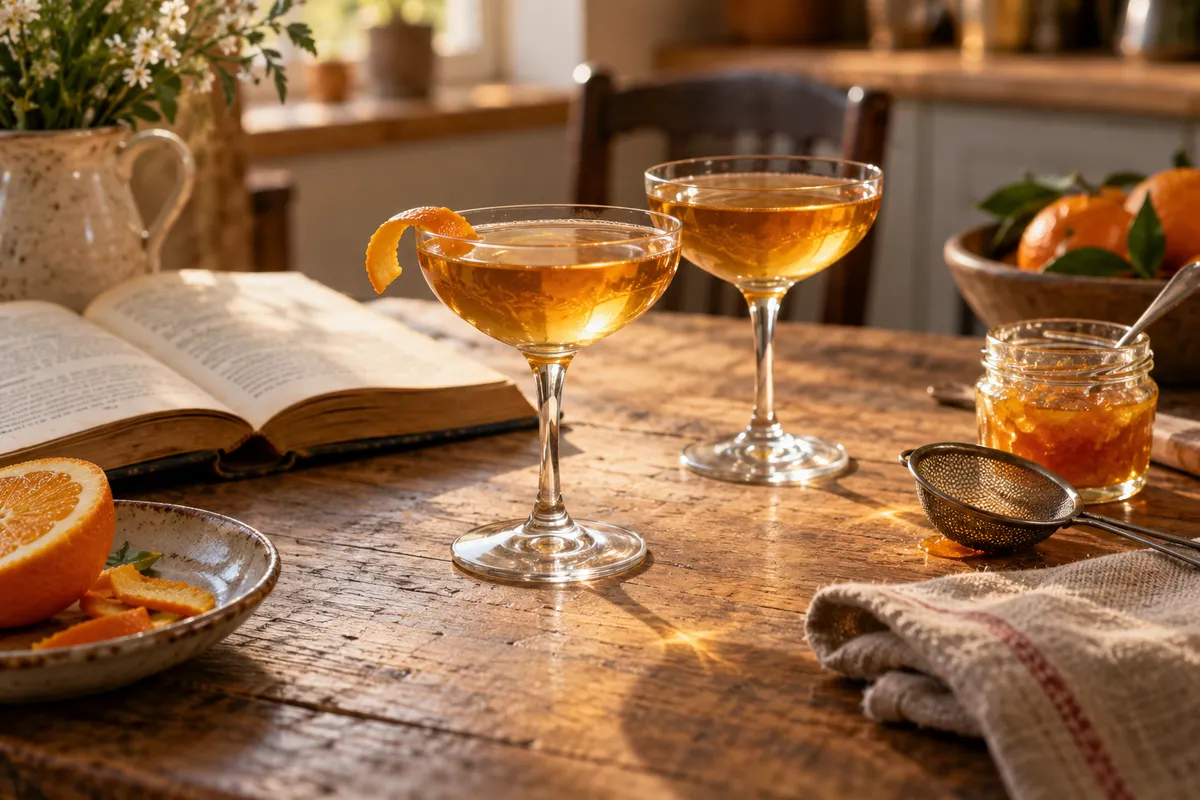
A preserving jar can stand in for a shaker, marmalade can join gin, and strong green tea can meet whisky. Nina Toye and A. H. Adair’s Drinks: Long and Short (London, 1925) treats the home kitchen as a place to mix something worth offering. Its short recipes range from familiar breakfast ingredients to caraway and allspice liqueurs, with practical advice for a host preparing a batch for company.
Food Writers at the Drinks Table
Even the preface has a little dinner-table disagreement. Marcel Boulestin begins by declaring that he disapproves of cocktails, especially a strong drink swallowed just before soup, then concedes their attraction. His reservation gives the book more personality than a simple celebration of the cocktail craze.
The restaurant connection was close enough to appear on the publisher’s flap, which links Adair’s drinks with Boulestin’s restaurant near Leicester Square. The acknowledgments also name Vogue, Eve and the Daily Express. Here is a drinks book with one foot in London’s restaurant and magazine world and the other in the home kitchen.
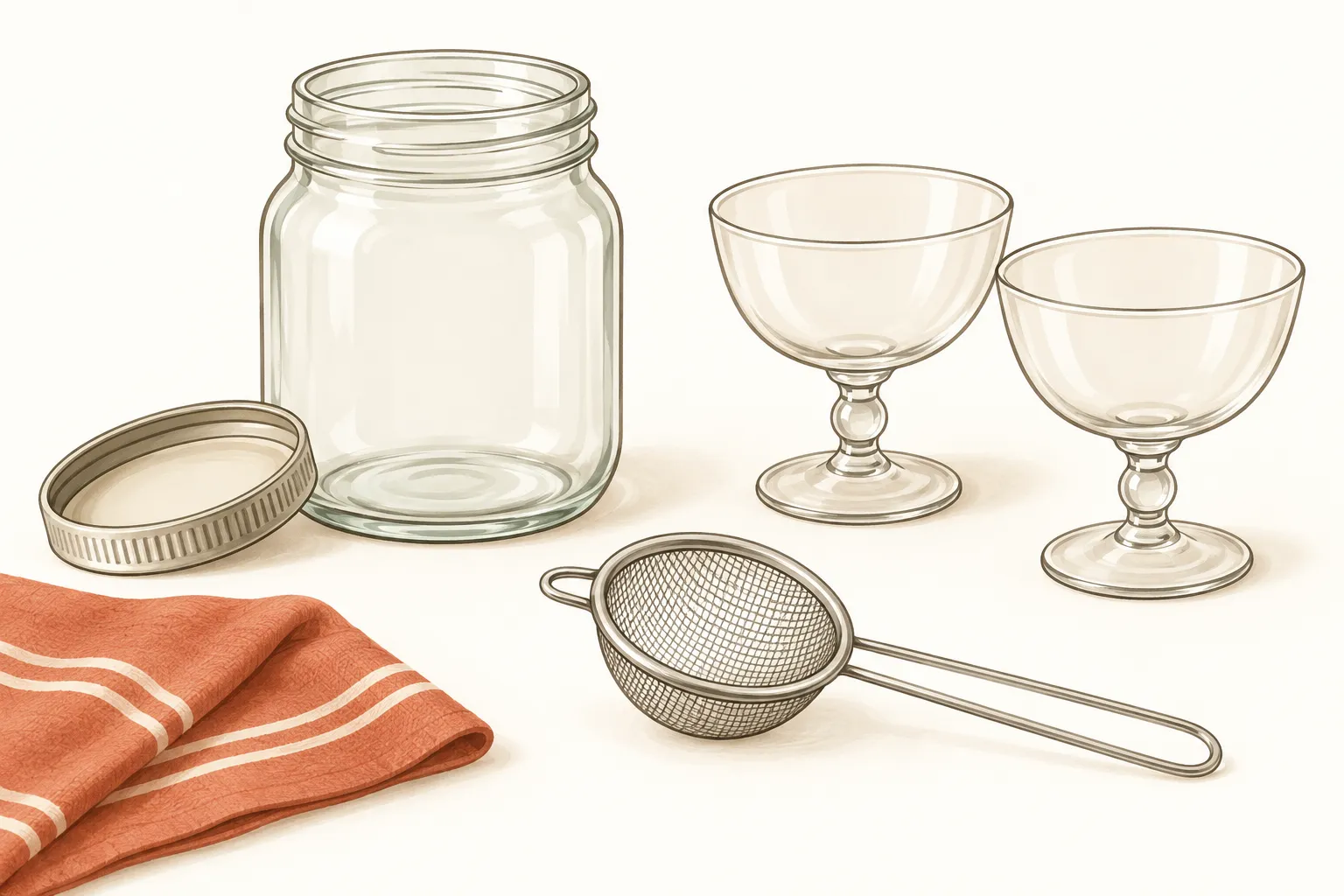
Toye and Adair begin their practical hints with the tools a mixer can use. A proper shaker is convenient, but their emergency alternative is a wide-mouthed glass bottle with a tightly fitting screw top, such as one used for bottling fruit, supplemented by a strainer. The preserving jar and wire strainer shown below are modern examples of that simple setup.
They also describe an ordinary jug and swizzle stick for stirring. For drinks made in the shaker, their hints say to add ingredients in the listed order, with ice last unless a recipe directs otherwise. These are useful details to look for before starting a drink.
The Ice Problem in 1925
The practical hints start with ice. Unless a recipe specifies otherwise, Toye and Adair call for chipped or cracked pieces rather than shaved ice, which they say melts too quickly and dilutes the drink. Their Coffee Cocktail is one exception: it specifically uses shaved ice.
Their suggestion of an ice chest evokes a kitchen where keeping things cold could involve a melting block of ice. A Seeger cabinet from around 1900 in the Science Museum Group collection shows how that worked: cold air circulated from an adjoining ice compartment through an insulated wooden box. This American-made example illustrates the technology, while Toye and Adair’s advice explains its relevance at the drinks table: chill the cocktail, then keep melting ice from watering it down.
They recommend shaking the cocktail, letting it stand for a minute to frost, and shaking it again before pouring at once. A late guest’s portion should be poured with the others; leaving it in the shaker with the ice would water it down. The book also describes emptying the shaker, returning any extra portions to it and keeping them in a cool place, preferably an ice chest, until needed.
The Kitchen Pantry as a Cocktail Cabinet
The book offers two sorts of shopping list. Marmalade, tea and coffee may already be in the kitchen; Kingston asks for two particular spice liqueurs, and Pat’s Special needs a fuller bottle collection.
Marmalade goes into the gin cocktail; strong black coffee is mixed with rum, and brewed green tea with whisky. Kingston calls for Jamaica rum, orange juice, kümmel and pimento dram. Pat’s Special combines gin, sherry and Dubonnet with fruit liqueurs. Reading the ingredient list first helps you choose a drink that suits the bottles and pantry supplies you have.
Measuring for Six: The 1925 Serving Glass
Anyone opening Drinks: Long and Short today will notice an unusual way of measuring. The book states early on that unless marked otherwise, all cocktail recipes are written to serve six people.
Toye and Adair measured many of their ingredients with the “serving glass.” Their hints acknowledge that glasses vary in capacity, so the reader should use the same one consistently. The measure preserves a relationship between ingredients; the book does not establish a universal glass capacity in milliliters.
The illustration shows two measures of one ingredient, one of another, and half of a third. The same glass preserves that relationship, whatever its size. The book’s six-person convention does not fix the glass’s capacity; our single-serving quantities are given on the recipe pages.
The companion pages set quantities for one modern serving, with US and metric amounts. Their notes distinguish changes such as extra citrus or a larger spice dash from a simple division of the six-person batch. That distinction matters most with the small liqueur additions, where a dash shared among six becomes difficult to pour for one.
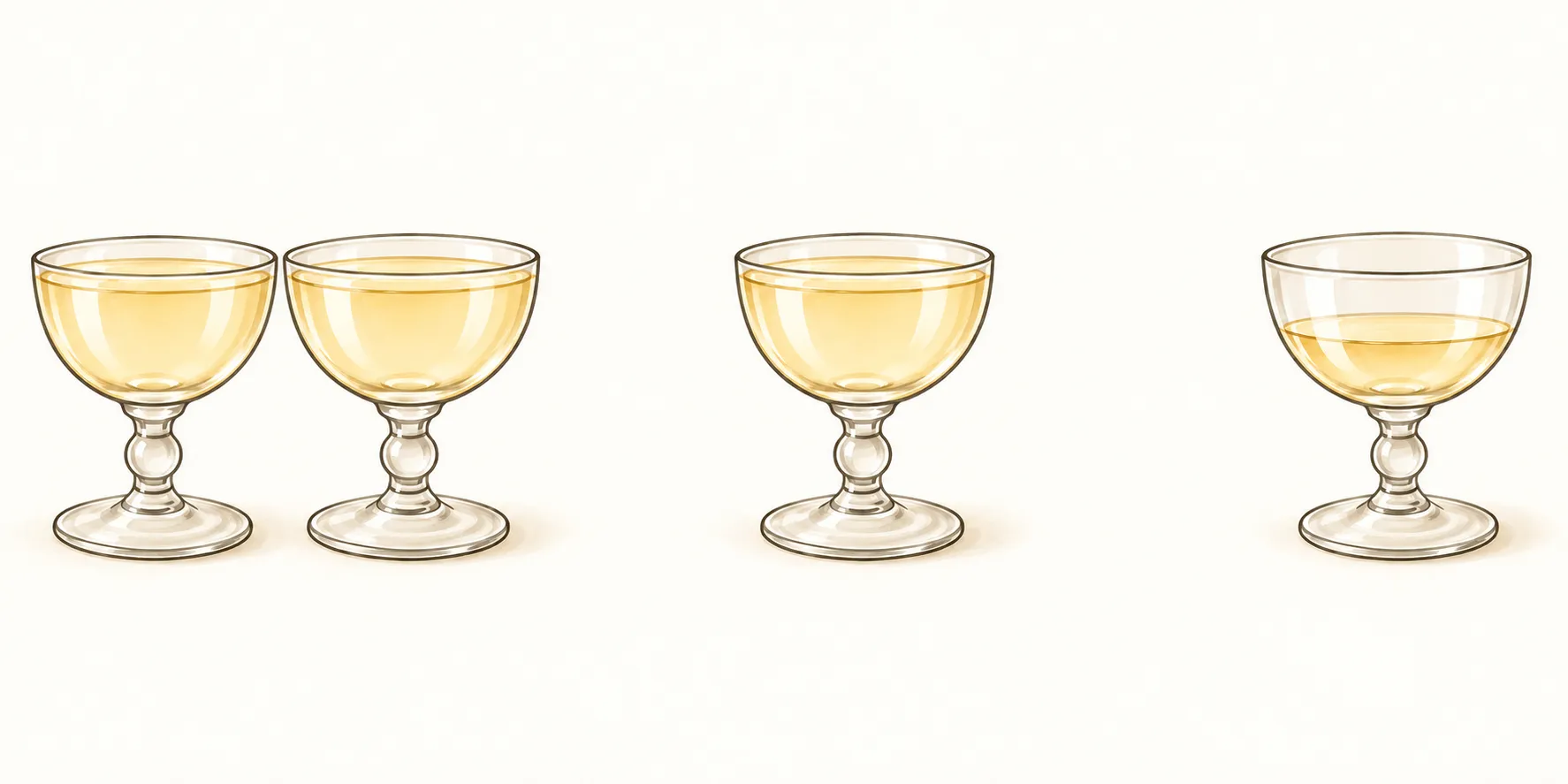
From left: two glasses, one glass, and half a glass. Each measure uses the same glass.
Proportions are illustrative; the capacity of the serving glass may vary.
Five Cocktails from the 1925 Collection
Choose a recipe by the ingredient you’d like to taste. Bitter orange preserve leads to Marmalade Cocktail; tea and coffee each keep their brewed flavor; Kingston is the spice choice. Pat’s Special brings two wines beside gin, with small fruit-liqueur accents.
1. Marmalade Cocktail
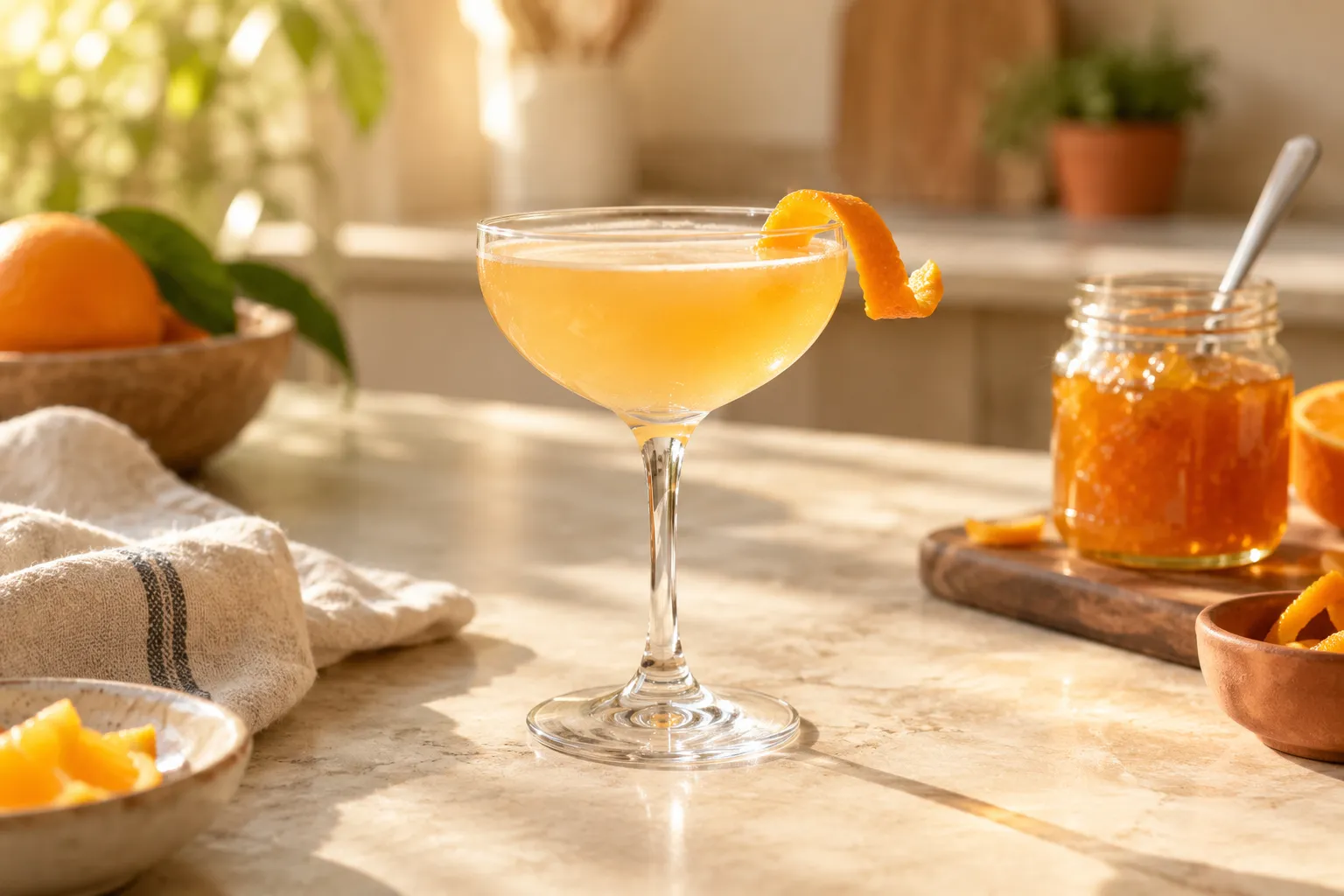
Source: Drinks: Long and Short, pages 13–14
Gin, lemon juice and a spoonful of bitter orange marmalade make this a drink with a familiar pantry ingredient. Toye and Adair recommended Frank Cooper’s Oxford Marmalade; stirring the preserve into the lemon juice first helps it dissolve before shaking.
There is a familiar modern echo in Salvatore Calabrese’s Breakfast Martini. In a CLASS interview, he recalls his wife Sue serving marmalade on toast and taking the jar to work at the Lanesborough’s Library Bar. His cocktail brings orange liqueur into the gin, lemon and marmalade combination. The breakfast-table inspiration is his own account; the 1925 recipe gives us an earlier use of the same pantry ingredient.
2. Kingston Cocktail
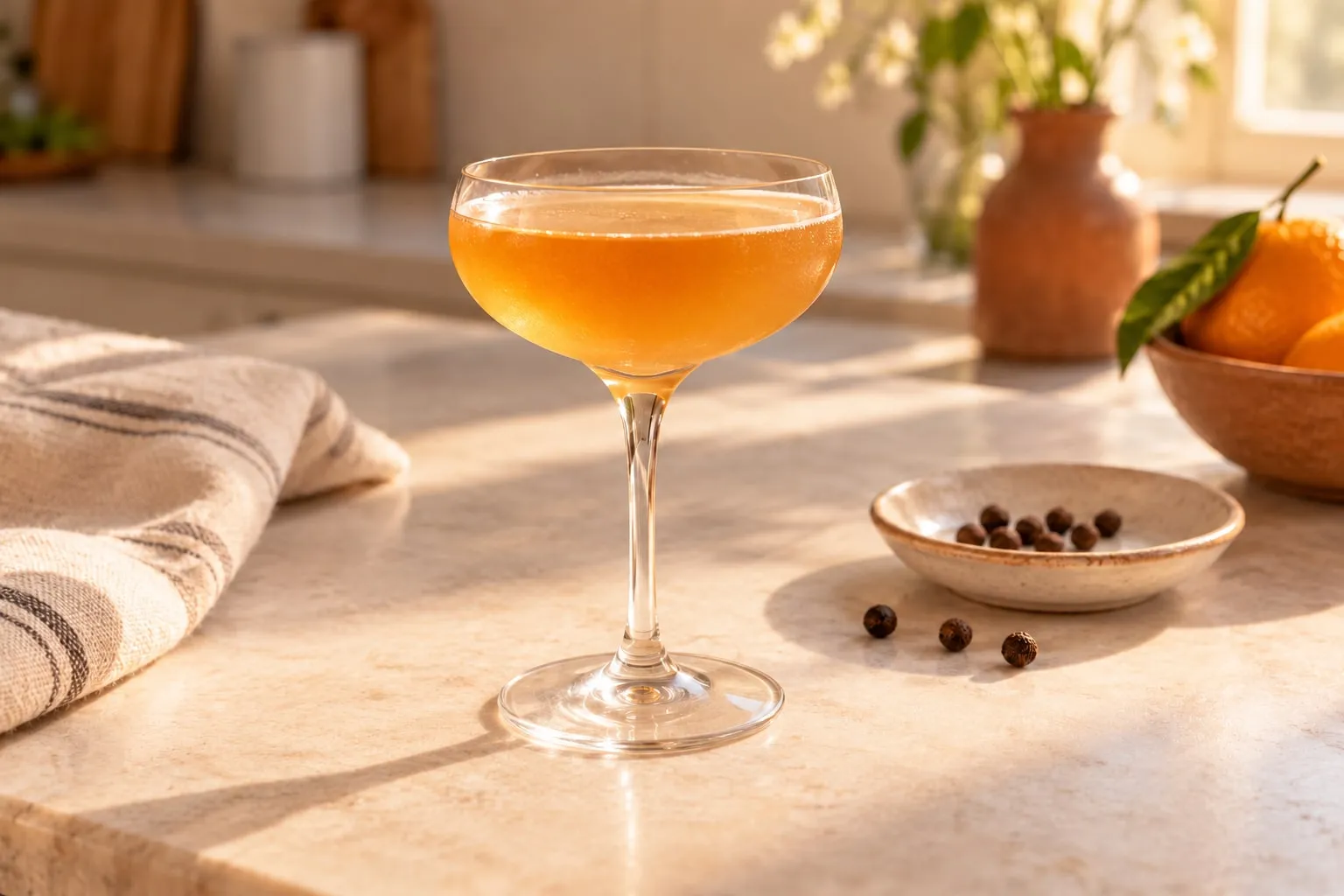
Source: Drinks: Long and Short, page 21
Jamaican rum and orange juice meet two less familiar bottles: kümmel and pimento dram. The first brings caraway flavor; the second is an allspice liqueur that gives this short drink its warm spice and sweetness.
3. Coffee Cocktail
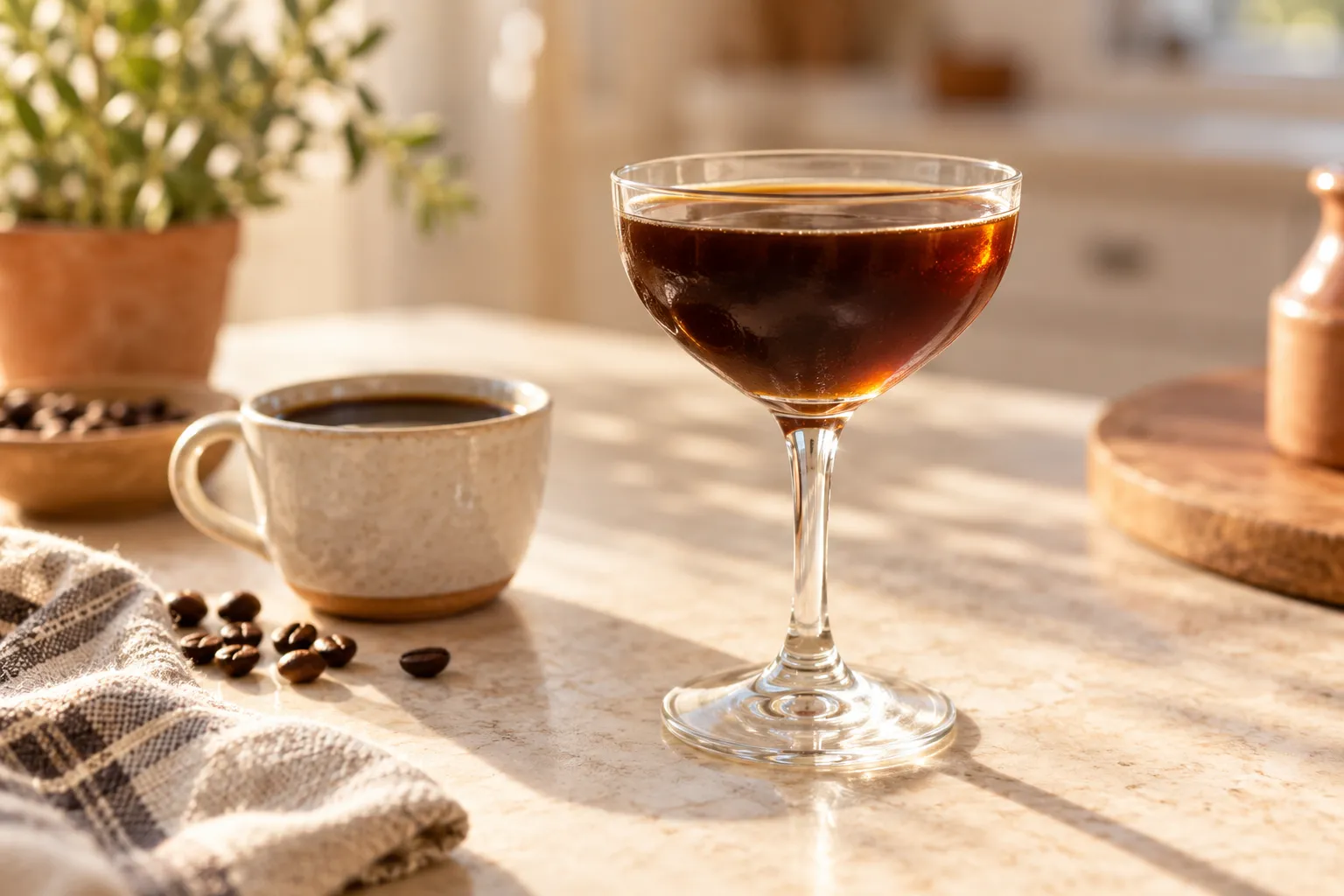
Source: Drinks: Long and Short, page 35
Harry Johnson’s 1900 Coffee Cocktail combines port, brandy, sugar and egg yolk, with no coffee. Toye and Adair’s version means what it says: rum and strong black coffee. Our version lets the hot mixture cool before shaking with ice, to keep dilution in check.
4. Tea Cocktail
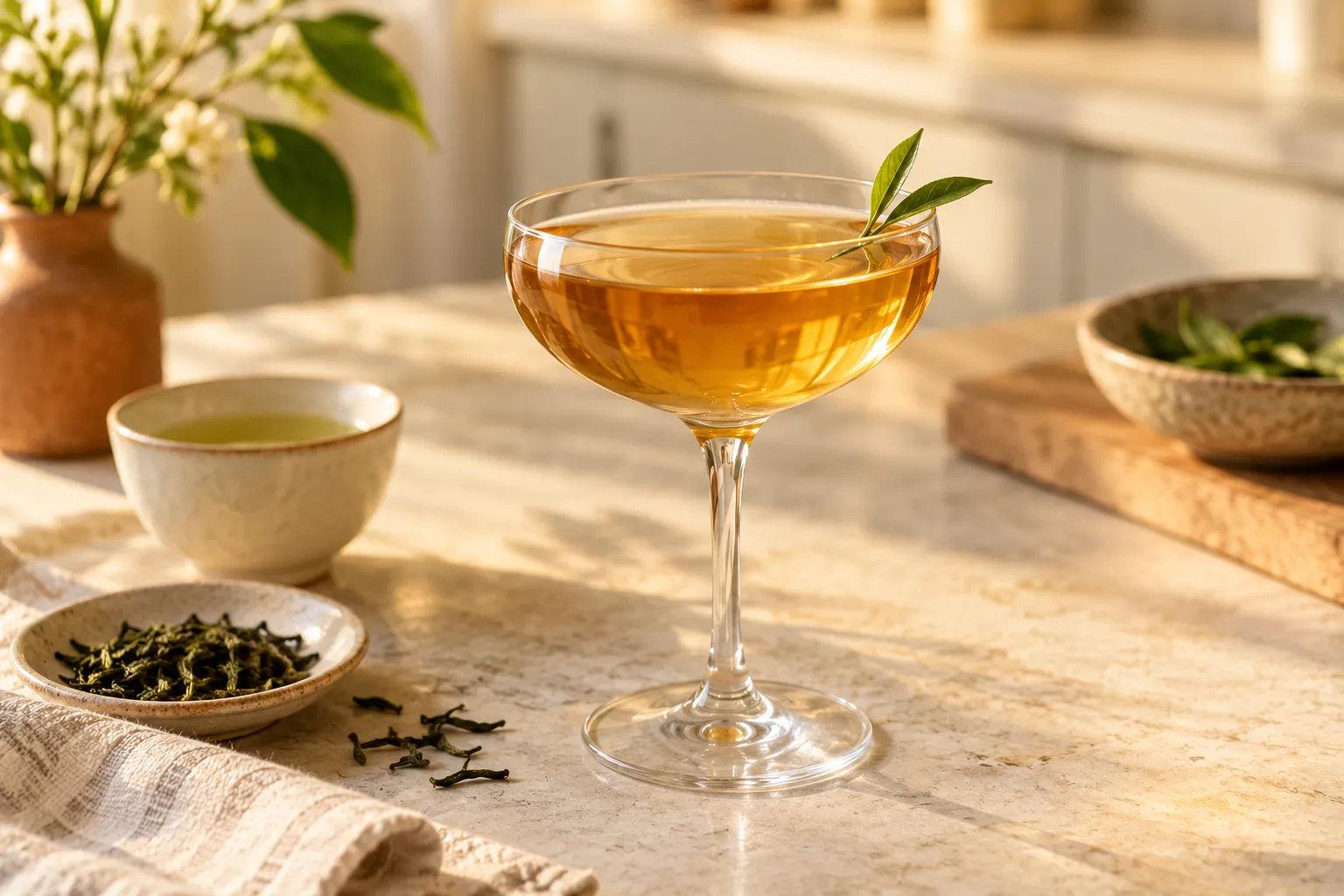
Source: Drinks: Long and Short, page 25
Brewed green tea gives Scotch whisky or Irish whiskey a dry, herbal flavor, with a little sugar to soften it. Toye and Adair specified green China tea; a short steep keeps the drink from becoming too bitter.
5. Pat’s Special
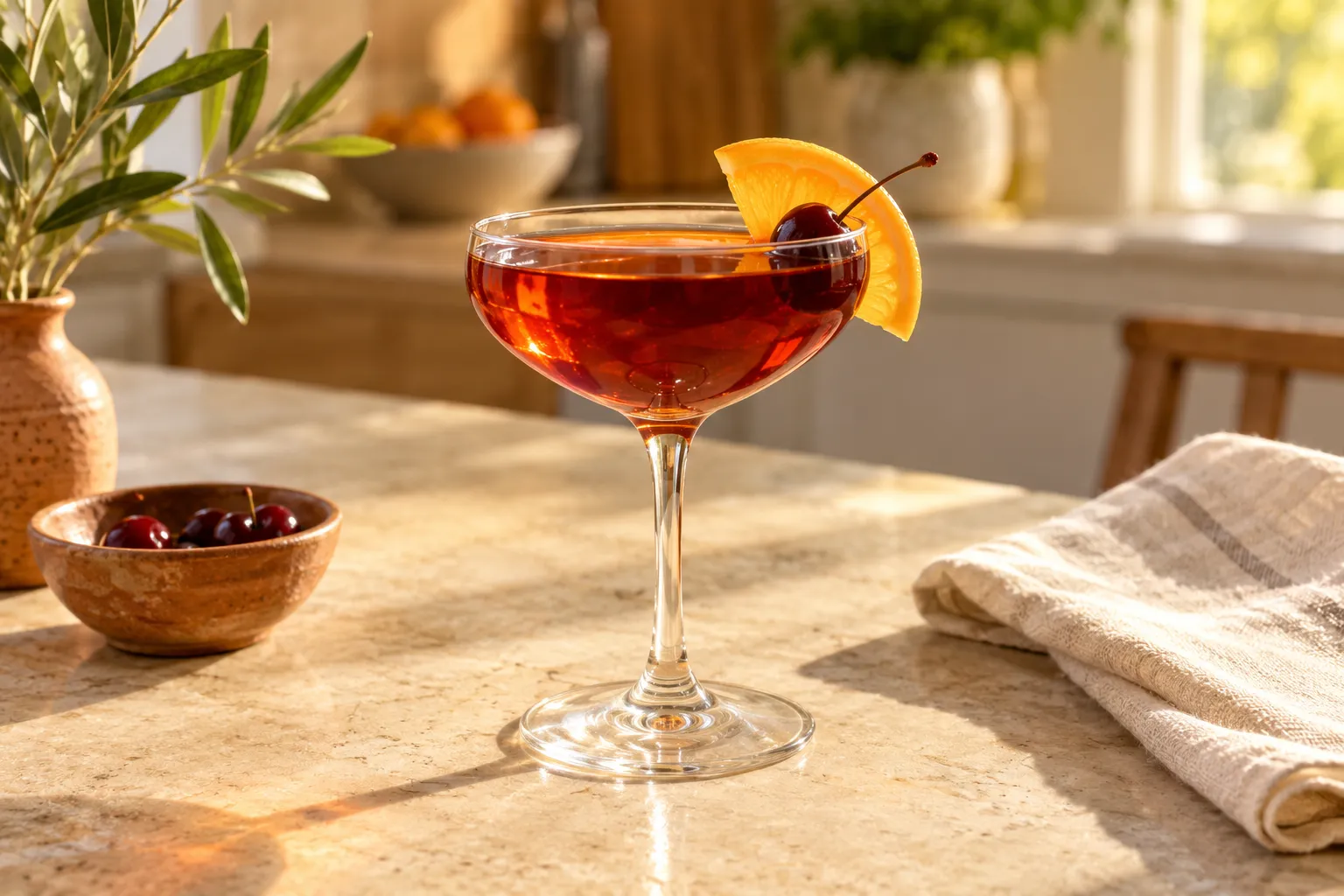
Source: Drinks: Long and Short, page 11
Toye and Adair credited this drink to Hatchett’s Bar on London’s Piccadilly. Gin, dry sherry and Dubonnet form the base, while blackcurrant and apricot liqueurs add fruit flavor. A cherry and orange slice finish the glass.
Mixing these drinks at home
The tea and coffee cocktails need time before their short mixing stage. Brew them first, remove the leaves or grounds as directed and let the liquid cool. Marmalade needs only a level spoonful and a moment to loosen it in the citrus juice. Kingston’s advance job is finding the right liqueurs.
For a six-person round, read the dash instructions as carefully as the main measures. The smaller modern recipes give stronger liqueur accents in Kingston and Pat’s Special; their scaling notes preserve the lighter historical batch too. A late portion should leave the mixing ice with the rest, following the book’s useful advice, even if its glass waits in a cool place.
The Vintage collection holds the individual recipes, with their chosen measures and preparation details.
For another view of the same decade, Stockbridge’s temperance drinks give fruit, dairy and sparkling water the lead. Two 1920s Drinks Cupboards compares the books’ measures, methods and serving occasions.
Source Note
Recipes adapted from Nina Toye and A. H. Adair, Drinks: Long and Short (London: William Heinemann, 1925). The publisher’s flap, Boulestin’s preface (pages ix–xi) and the introduction (page 3) supply the restaurant and dinner-table context. Practical hints on pages 7–10 provide the equipment, ice-handling and measuring context:
- Pat’s Special: page 11
- Marmalade Cocktail: pages 13–14
- Kingston Cocktail: page 21
- Tea Cocktail: page 25
- Coffee Cocktail: page 35
The port-and-brandy comparison comes from Harry Johnson’s 1900 manual, printed page 241, also discussed in our historic cocktail ice article.