
- Vintage
- 1920s
- Cocktails
- Mocktails
- Home entertaining
Two 1920s Drinks Cupboards: Temperance Cups and London Cocktails
Compare how two 1920s home-drinks books use pantry ingredients, kitchen measures and serving glasses, with ten recipes to try.
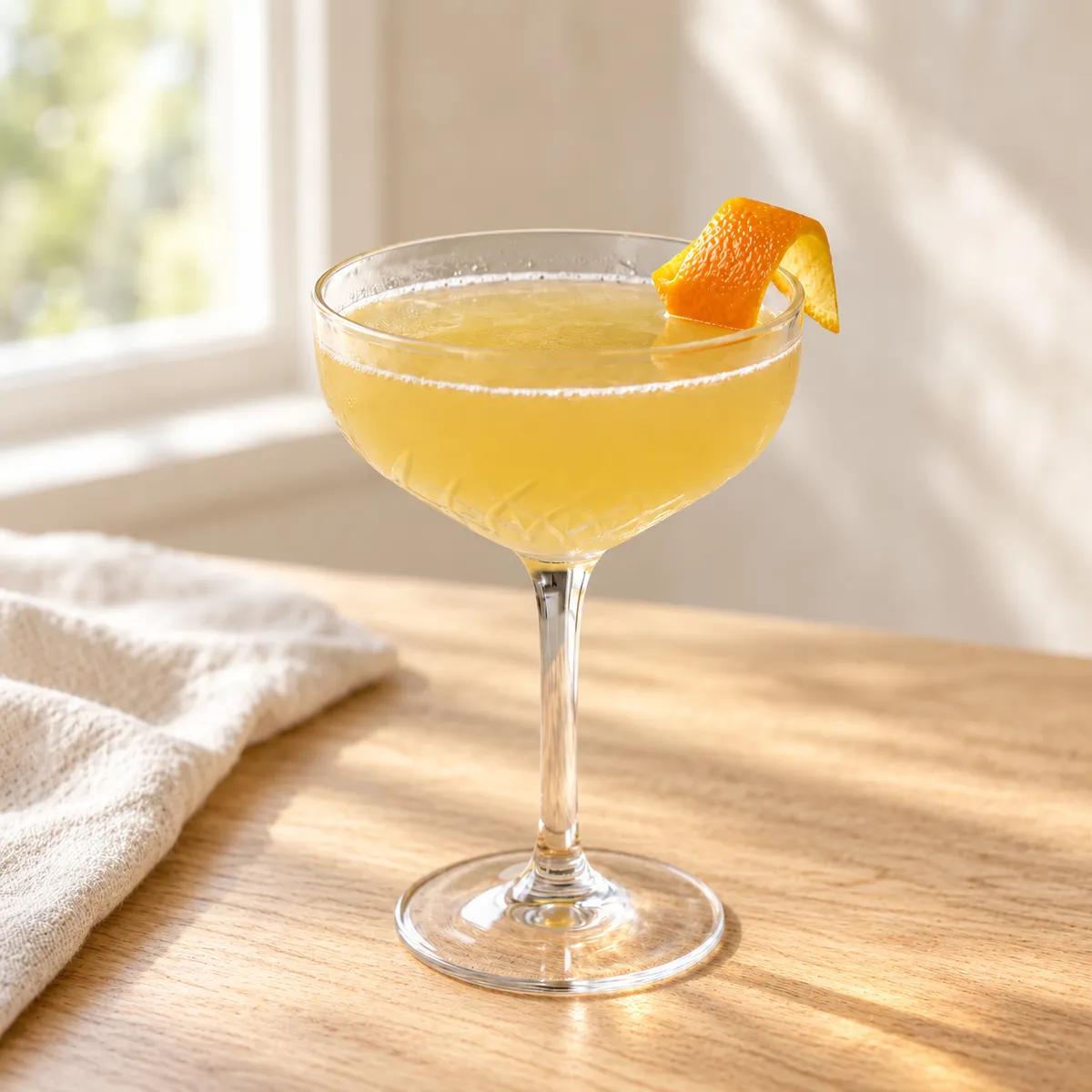
One egg white serves four Clover Leaf cocktails in Bertha Stockbridge’s 1920 book. Nina Toye and A. H. Adair usually write their London cocktails for six, measuring with a serving glass whose size can vary. Before choosing a bottle, a modern host has a question to settle: how much drink does this old recipe actually make?
Bertha E. L. Stockbridge’s What to Drink appeared in New York in 1920. Nina Toye and A. H. Adair’s Drinks: Long and Short followed in London in 1925. Stockbridge’s book supplies alcohol-free refreshments; the London collection brings spirits, wines and liqueurs into its recipes as well. Both address people entertaining at home, and both take the finished glass seriously.
The comparison follows three decisions: reading the measure, counting the servings and choosing the texture. Those decisions explain why two home-drinks books can share pantry ingredients and a shaker while asking quite different work of the host.
Two cupboards, with some shared shelves
In our five Stockbridge selections, fruit juice, milk, cream, mint and syrups supply the flavor. Applebloom Punch combines apple and grape with mineral water. Clover Leaf turns orange juice and grenadine into a pink, foamy drink. Vanilla Milk Punch uses milk and egg, while Violet Fizz adds fruit syrup and sparkling ingredients to cream.
Toye and Adair’s selected recipes look to the kitchen too. Marmalade goes into gin and lemon; strong coffee joins rum; green China tea accompanies whisky. Kingston adds orange juice to Jamaican rum, with caraway-flavored kümmel and allspice liqueur. Pat’s Special draws on gin, sherry, Dubonnet and small additions of fruit liqueurs.
Those are the selections compared here. Both books range more widely: Stockbridge has tea and coffee chapters too, and the London collection includes alcohol-free preparations. The shared interest is home entertaining, with the pantry supplying flavor and the glass deserving care.
Marmalade and fruit syrup both bring sweetness with flavor. Their surroundings change the drink: gin and lemon make the preserve a short sour; cream, egg or soda can turn syrup into a foamed or fizzy refreshment. The alcohol question is only one of the choices a guest makes.
A kitchen cup or a serving glass?
Stockbridge begins with kitchen measures. Her measures chapter describes cups, spoons, pints and quarts, equating a half pint with a cup and a quart with four cupfuls. For a reader using her American kitchen measures, the stated volume is the starting point.
Toye and Adair take another route. Their practical hints suggest measuring with one of the glasses in which the cocktail will be served, and using that same glass throughout. They acknowledge that glasses differ in capacity. “Two glasses” of one ingredient and “one glass” of another preserve a relationship, but do not tell a modern reader one universal milliliter amount.
That difference becomes clear beside two recipe pages. Stockbridge’s Clover Leaf on page 44 is for four people. Toye and Adair’s cocktail convention is six people unless a recipe says otherwise, which applies to their Marmalade Cocktail. A host reading the two books has to notice both the measure and the intended company before beginning to pour.
A measure and a portion are separate things. Three glasses of one ingredient to two and a half of another give a 6:5 relationship, as in the London coffee-and-rum recipe. They don’t mean that each of the six guests receives three whole glasses of coffee. Read the batch first, then divide its proportions.
The companion recipes provide their chosen single-serving measures. Some also adjust sweetness or citrus, so their notes are worth reading before treating the modern list as an exact fraction of the old one.
| Question before mixing | Stockbridge’s 1920 book | Toye and Adair’s 1925 book |
|---|---|---|
| What measures should I read? | Kitchen cups, spoons, pints and quarts | A consistent serving glass in many cocktails |
| Is there one standard batch? | No: the fruitade chapter says most are individual drinks; Clover Leaf serves four and Applebloom uses equal pints | Cocktails serve six unless stated otherwise |
| What changes the texture? | Juice, dairy, eggs and sparkling ingredients across the selected drinks | Spirit mixtures, citrus, preserves and brewed drinks across the selected cocktails |
| What needs checking first? | The individual recipe’s quantity and mixing sequence | The glass measure, cocktail batch convention and individual directions |

The shaker belongs in both kitchens
The shaker belongs to both kitchens. Stockbridge asks for vigorous mixing and cold cocktail glasses; Toye and Adair offer a bottle-and-strainer alternative when a shaker isn’t available. Their separate book features explore those equipment details. Here the shared point is attention to texture, whether the mixture contains spirits, fruit or egg.
The London book generally prefers chipped or cracked ice, yet its Coffee Cocktail calls for shaved ice. A chapter’s general advice can therefore give way to the individual drink. Reading the particular recipe protects the intended serving better than imposing one mixing routine on the whole collection.
Stockbridge’s Violet Fizz provides another useful contrast. She puts sparkling apple juice into the shaker, adds cream for a second shake, then strains and finishes with carbonated water. In our modern version, the sparkling apple juice and seltzer both go in after shaking. That change belongs to our method, not to a rule about how every 1920s fizz was made.
If you enjoy these small differences, our look at historic cocktail ice follows four drinks through the ice that stays in the glass and the ice strained away. The serving texture often tells you as much as the spirit.
Before dinner, or a longer glass?
Toye and Adair’s introduction distinguishes short cocktails before dinner from longer drinks for leisurely drinking. Stockbridge’s foreword thinks about attractive refreshments at short notice, with supplies kept ready even where apartment storage is limited. Both imagine a host preparing for company.
That suggests two different ways to choose for your own table. A small Marmalade Cocktail or Pat’s Special can precede dinner. Applebloom Punch can become a longer sparkling glass, while the Ginger Ale Julep gives mint and crushed ice a generous place in the cup. Milk Punch and Violet Fizz offer creamy textures if that is what appeals to your guests.
Preparation matters whichever book you choose. Chill the ingredients and appropriate glasses, have the garnish ready, and check whether a syrup, tea or coffee needs making and cooling first. When the recipe uses egg, follow its pasteurized-egg guidance. Choose alcohol-free flavorings where specified for an alcohol-free drink.
Ten drinks, chosen by what you enjoy
The two book features tell the individual recipe stories in more detail. Here is a shorter route through the same ten drinks:
- Fruit and bubbles: Applebloom Punch brings apple, grape and sparkling water; Ginger Ale Julep brings mint, lemon and crushed ice.
- A frothy or creamy glass: Clover Leaf uses citrus and pasteurized egg white. Vanilla Milk Punch is cold milk with a pasteurized whole egg and nutmeg. Violet Fizz joins raspberry, lime, cream and bubbles.
- Something from the breakfast cupboard: Marmalade Cocktail uses bitter orange preserve with gin and lemon. Coffee Cocktail combines actual coffee with rum, while Tea Cocktail pairs green China tea with Scotch whisky or Irish whiskey.
- Spice or a fuller bottle collection: Kingston has orange, Jamaican rum, kümmel and allspice liqueur. Pat’s Special, credited in the book to Hatchett’s Bar, combines gin, sherry, Dubonnet and fruit liqueurs.
A useful pairing can be as simple as minty Ginger Ale Julep beside citrus Marmalade Cocktail. For richer textures, Vanilla Milk Punch and the coffee-and-rum drink offer a more obvious contrast. Choose the flavors first, then let each recipe determine its cup, foam, ice and finishing pour.
Read further into each book
Vintage Mocktails: Five 1920s Temperance Drinks explores Stockbridge’s soda-counter connections, larder and glassware. Beyond the Speakeasy: Five Cocktails from a 1925 London Drinks Book looks more closely at Toye and Adair’s dinner-table setting, home equipment and serving-glass measures.
Source note
Bertha E. L. Stockbridge, What to Drink: The Blue Book of Beverages (New York: D. Appleton & Co., 1920), readable digital text with printed-page markers: foreword vii–viii; measures xi–xii; fruitades opening p. 1; Applebloom p. 18; Vanilla Milk Punch p. 24; Clover Leaf and Golden Mist p. 44; Violet Fizz p. 51; Ginger Ale Julep p. 59.
Nina Toye and A. H. Adair, Drinks: Long and Short (London: William Heinemann, 1925): introduction pp. 3–6; practical hints pp. 7–10; Pat’s Special p. 11; Marmalade pp. 13–14; Kingston p. 21; Tea p. 25; Coffee p. 35.
The linked recipe notes identify the modern measures and meaningful ingredient or method changes.