
- Vintage
- American cooking
- 1930s
- Budget dinners
Cooking in a Crisis: Five Budget Dinners from the Great Depression
Explore five budget dinner adaptations, from browned potato hash to corn chowder, and the USDA advice behind them.
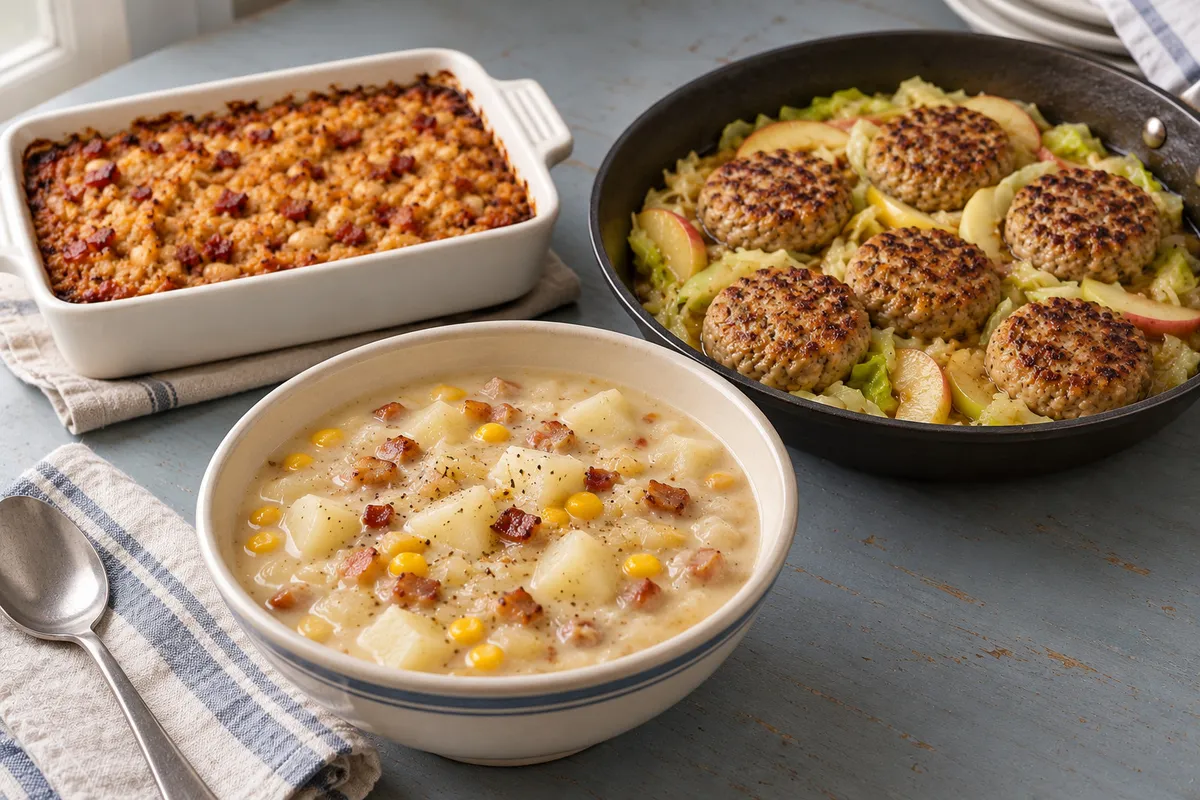
A little cooked beef can look like the end of yesterday’s dinner. Add potatoes, onion and a hot skillet, and it becomes the beginning of tonight’s.
The five dinners here start with inexpensive staples: leftover beef and potatoes for hash, oats with ground beef for meatloaf, cabbage and apples beneath sausage patties, cooked beans for a shallow bake, and potatoes, canned corn and milk for chowder.
Their historical setting was much harder than an everyday search for dinner ideas. During the Great Depression, USDA home economists published recipes and broadcast advice about food costs, nutrition and cooking fuel. Their publications addressed practical questions: how to use cooked meat, what to do with dried beans, and how to shorten a dish’s time in the oven.
There are leftovers to use, onions to fry and browned edges to aim for.
Ready to cook? Choose a dish for tonight.
Kitchen Advice on the Radio
Some of that advice arrived through the radio rather than a cookbook.
The USDA’s Housekeepers’ Chat began in 1926, before the Depression. Its fictional Aunt Sammy character brought household advice and recipes to listeners, and the recipes were later gathered into a book.
In July 1931, a broadcast announced Aunt Sammy’s Radio Recipes Revised: a green cookbook containing 400 recipes and 90 menus. It described recipes tested and retested in the Bureau of Home Economics kitchen. The chowder here comes from an earlier, undated loose-leaf issue, connecting this collection to the radio advice that preceded the Depression.
Later USDA publications tackled low-cost meat dishes, economy meals built around beans, and soups made with milk. Together, they provide the background for this collection. The companion recipes explain meaningful changes for modern kitchens; the historical Bureau’s testing belongs to its own recipes.
Giving Meat a Smaller Part
In Meat Dishes at Low Cost, published in 1934, meat shares space with potatoes, bread crumbs, cabbage and apples.
Those combinations offer different possibilities. A meatloaf brings its ingredients together in one mixture. Hash makes use of meat and potatoes that are already cooked. A covered casserole lets vegetables cook beneath browned sausage.
You can choose a dish according to what you have and how much preparation you want to do.
1. Savory Oatmeal Meatloaf (1934)
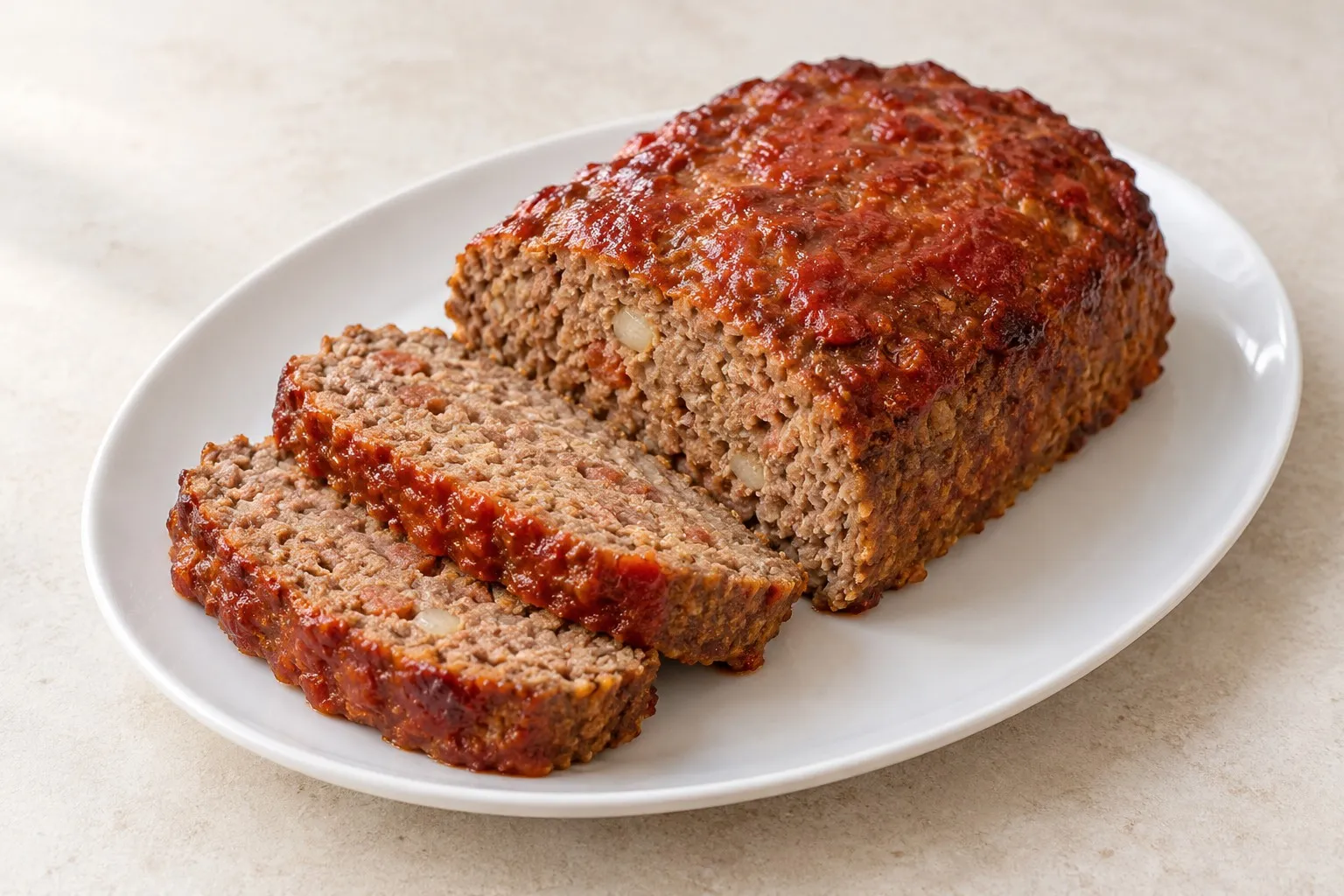
Ground beef, rolled oats, canned tomatoes and onion make up this version of meatloaf. The oats replace the bread crumbs specified in the historical loaf, so this is an adaptation rather than a reproduction of its formula.
Tomato juice is brushed over the loaf before and during baking. Allow for the resting time afterward, too. Choose this one when you’re starting with fresh ground meat rather than leftovers.
Read the full Oatmeal Meatloaf recipe
2. Browned Potato and Meat Hash (1934)
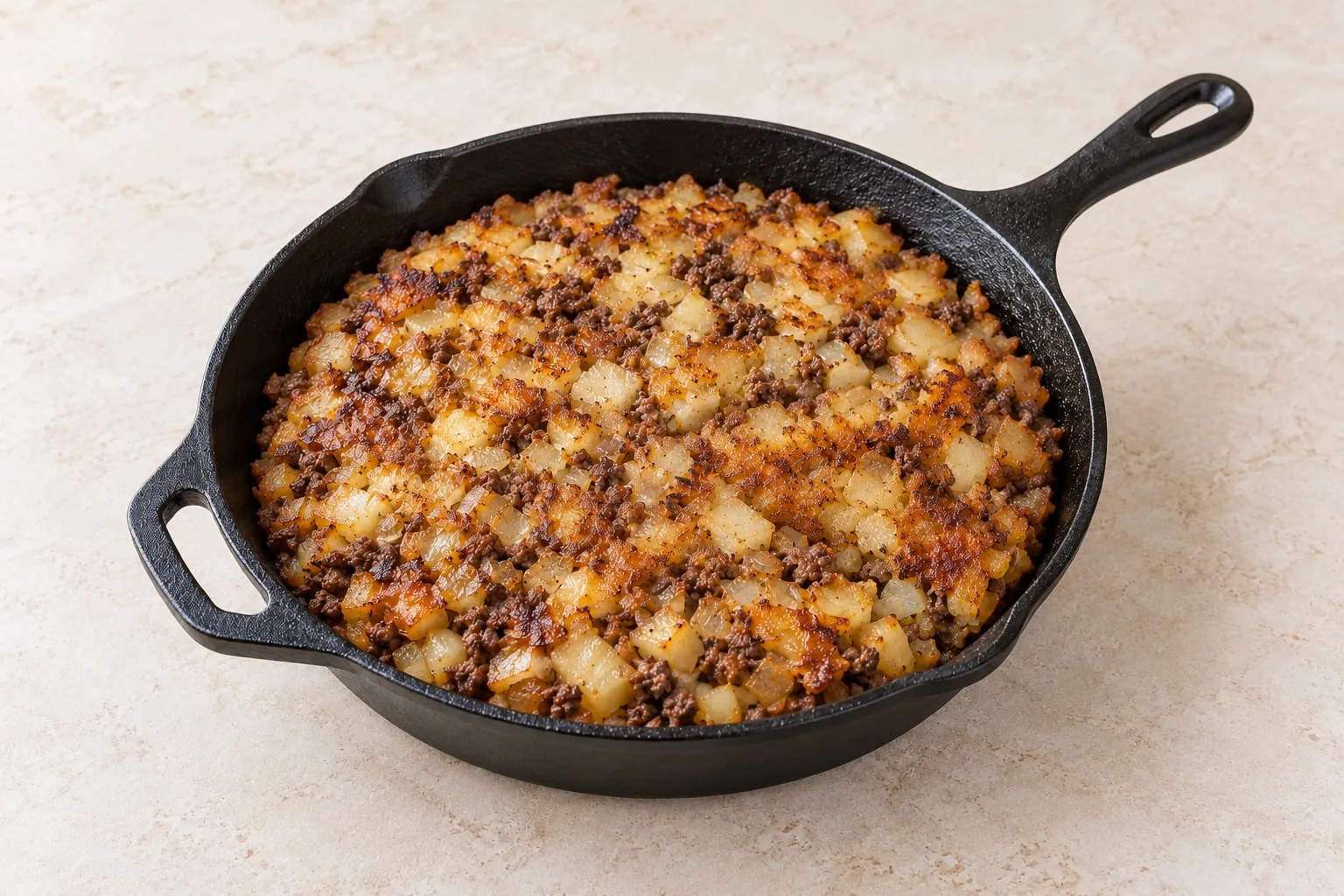
Hash starts where another meal leaves off, with cooked potatoes and cooked meat.
Diced onion joins them in the skillet. Give the underside time to brown before lifting an edge to check it: here, the crust is part of the point.
This is the recipe to look at when cooked potatoes are waiting in the refrigerator. Its timing assumes they’re already cooked and chilled, so plan that preparation separately if you’re starting from raw potatoes.
Read the full Browned Potato and Meat Hash recipe
3. Sausage, Cabbage and Apple Skillet Casserole (1934)
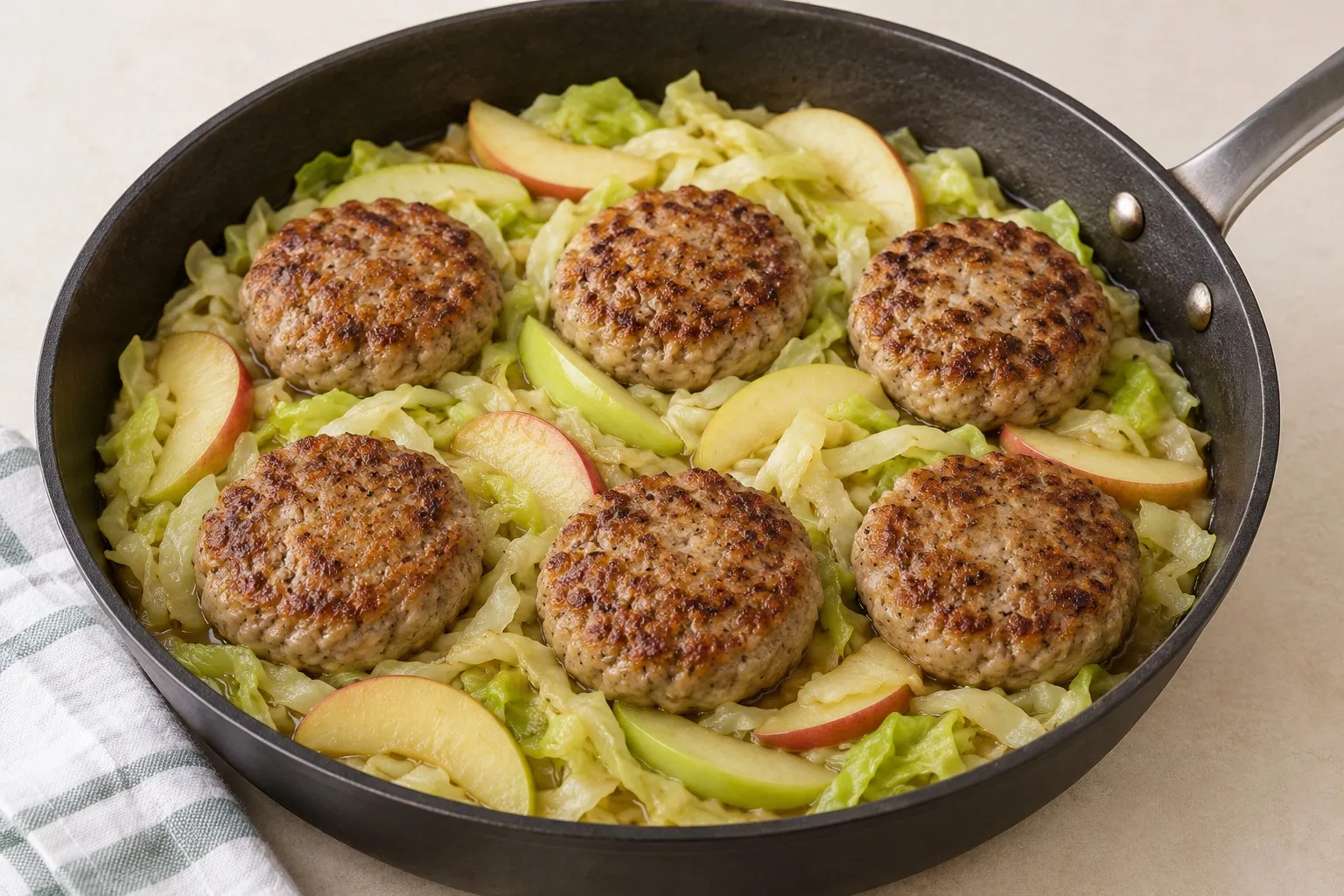
Apples bring sweetness, vinegar adds sharpness, and browned sausage sits above the cabbage and apple layers as everything cooks under a lid.
The combination and layered method stay close to the 1934 source. The modern recipe supplies measured quantities and skillet guidance, including a final check that the sausage is cooked through.
It offers a change of pace from the meatloaf and hash: a covered pan and most of the preparation done before the gentle simmer begins.
Read the full Sausage, Cabbage and Apple Casserole recipe
Beans, Milk and the Cost of Cooking
Ingredients were only part of the budget. Cooking them used fuel, too.
The March 1933 broadcast Beans for Economy Meals describes mashed beans browned in a shallow pan after soaking and boiling. That separates the longer bean preparation from the shorter oven finish. Our adaptation starts with cooked beans and estimates 20 to 25 minutes for the oven phase.
The broadcast also connects low navy-bean prices with an unusually large Michigan crop. It’s a small detail that makes the advice specific: these recommendations responded to ingredients and conditions at the time.
Milk soups received their own broadcast in May 1933. Alongside the bean dishes, they show how USDA advice looked beyond meat when suggesting meals.
4. Baked Mashed Navy Beans (1933)
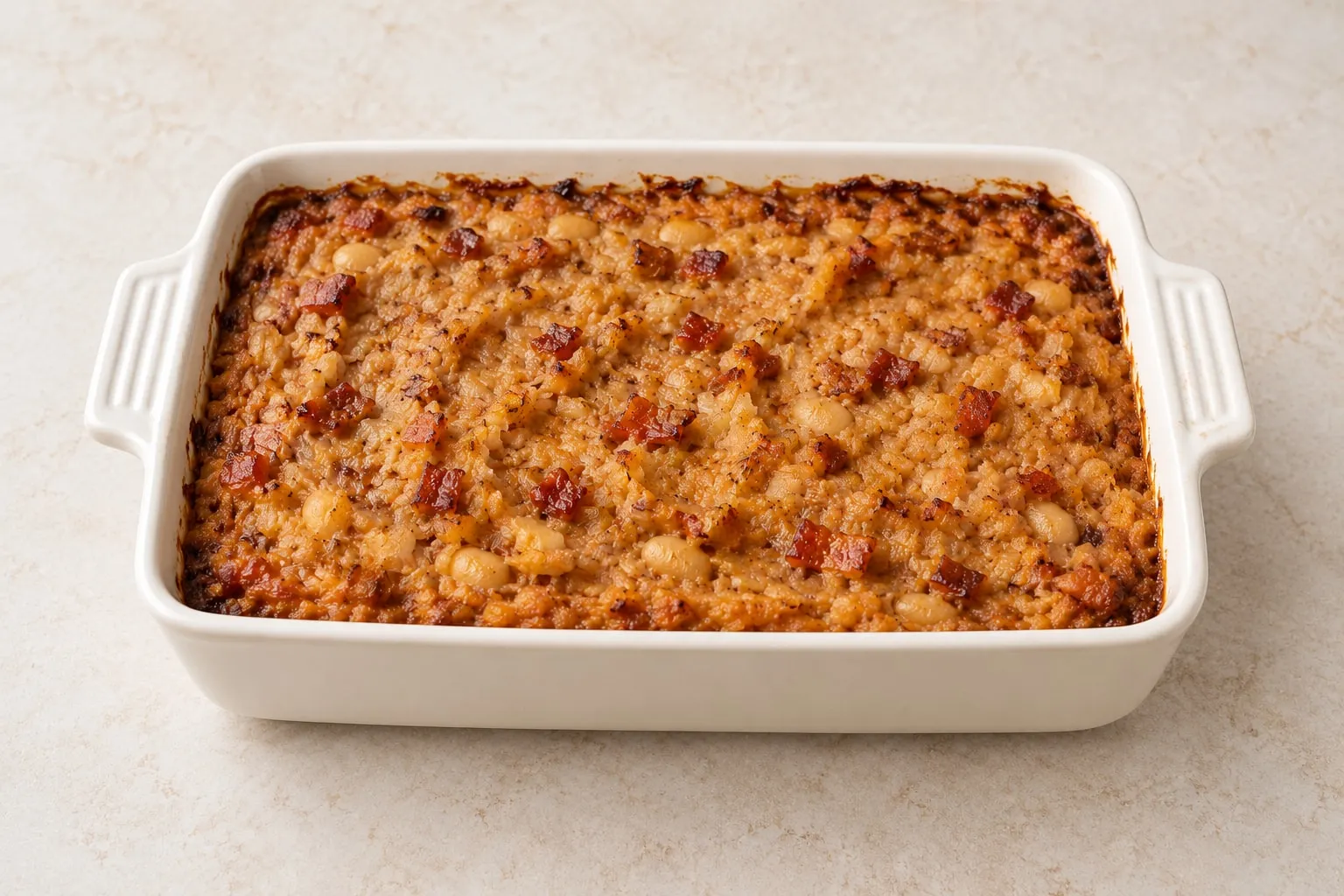
These beans take a different route from a deep pot of traditional baked beans. Cooked navy beans are mashed, combined with molasses and a pork-and-onion preparation, then spread in a shallow dish for browning.
The recipe begins with a measured quantity of drained cooked beans. If you want to cook dried beans yourself, prepare them beforehand and weigh the cooked beans for the finishing recipe.
Read the full Baked Mashed Navy Beans recipe
5. Potato and Corn Milk Chowder

The corn chowder in Aunt Sammy’s Radio Recipes brings potatoes, canned corn, pork, onion, water and milk together in one pot. Crackers go into the serving dish before the hot chowder is poured over them.
Our version follows that combination. The potatoes cook in water before the corn and milk are added, while pork and onion provide the savory base. Ladle the hot soup over the crackers just before serving.
For this collection, it’s a useful contrast to the browned skillet dishes: a spoon dinner built around potatoes, vegetables and milk.
Read the full Potato and Corn Milk Chowder recipe
Cook one tonight
Start with what you have ready.
Cooked and chilled potatoes, plus cooked beef: Browned Potato and Meat Hash. Its timing starts with those ingredients already prepared; cook and chill the potatoes separately if you’re starting from raw.
Cooked navy beans: Baked Mashed Navy Beans. Weigh the drained cooked beans before beginning the finishing recipe. If you’re using dried beans, cook them beforehand.
Potatoes, canned corn and milk: Potato and Corn Milk Chowder. This version also uses pork and onion for its savory base.
Cooking for fewer people? Open your chosen recipe and use its serving controls to adjust ingredient amounts. The written method, times and temperatures do not change automatically. Read Scaling a recipe without losing its balance for pan and cooking checks.
Potatoes take on other jobs in Cooking on the Kitchen Front: holding sausage meat, forming apple-filled dough and covering a vegetable pie. That British wartime collection offers a different setting for resourceful home cooking.
Source Note
- USDA Bureau of Home Economics, Aunt Sammy’s Radio Recipes, Corn Chowder, printed page 57, undated early loose-leaf issue; exact printing unresolved.
- USDA Housekeepers’ Chat, A Bigger and Better Radio Cookbook, July 7, 1931, printed pages 1-2.
- USDA Radio Service, Beans for Economy Meals, March 27, 1933, printed pages 1-2.
- USDA Radio Service, Milk Soups for Low-Cost Meals, May 24, 1933, printed pages 1-2.
- USDA Bureau of Home Economics, Meat Dishes at Low Cost, Miscellaneous Publication No. 216, November 1934, printed pages 8-10.