
- Vintage
- Cocktails
- 1920s
- 1930s
Five Jazz Age Cocktails from Paris and London Bar Books
Choose between a sparkling French 75, a bittersweet Boulevardier and three citrus cocktails, with source notes and practical modern adaptations.
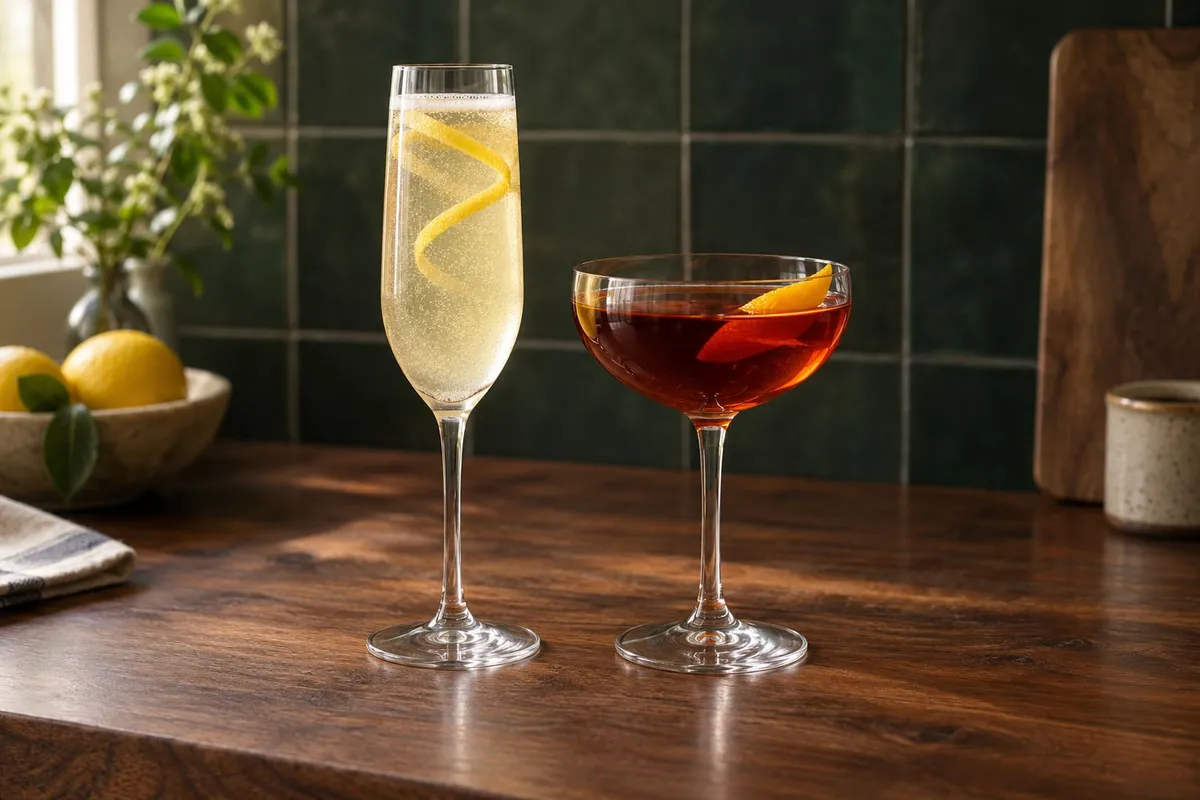
McElhone credits the Side-Car to a London bartender, prints a “75” without Champagne and gives the Scofflaw a newspaper clipping. His bar books carry people and surprises alongside their short formulas. Read them with Craddock’s 1930 Champagne French 75 and five familiar names begin to offer more interesting choices than a single idea of a Jazz Age cocktail.
Harry McElhone’s Harry of Ciro’s ABC of Mixing Cocktails (1923) and Barflies and Cocktails (1927) supply the Boulevardier and three shaken citrus drinks. Craddock’s Savoy Cocktail Book supplies the sparkling formula. Whiskey, gin and brandy each have a place, and the sweet ingredient can be vermouth, syrup or orange liqueur.
The collection is arranged to help you choose by flavor and finish. The companion recipes give modern measures and preparation details, with the source differences kept visible where they matter.
What the books actually tell us
McElhone’s 1923 Side-Car entry names MacGarry at Buck’s Club in London. The same book’s “75” cocktail on page 65 contains Calvados, gin, grenadine and absinthe, with no Champagne. Those two entries alone complicate the idea of a purely Parisian collection. The books gather recipes and credits across places; their location and personality don’t make every drink’s origin settled.
For Scofflaw, Barflies and Cocktails reproduces an account attributed to the Chicago Tribune of January 27, 1924. It credits Jock at Harry’s New York Bar with a response to the new term “scoff-law.” The political joke travels beside rye, French vermouth, lemon and grenadine, giving the name a period voice and the drink a wine-rich sour formula.
Elsewhere, the Boulevardier appears within a lively essay, with Gwynne’s name and equal thirds of Campari, Italian vermouth and bourbon. That passage supplies the ingredients and proportions, but doesn’t prescribe a garnish, vessel or stirring time. Our recipe fills in those practical choices openly.
Choose the drink by its balance
Start with the spirit and the finish you want. Gin, lemon and sparkling wine make the French 75 a lively choice. Bourbon, vermouth and Campari give the Boulevardier a fuller, bitter edge. The Monkey Gland pairs gin with orange and a touch of anise; the Scofflaw puts rye alongside dry vermouth and grenadine. Cognac, orange liqueur and lemon keep the Sidecar comparatively spare.
Our versions use measured modern amounts. Syrup choices, garnishes and serving glasses are identified as adaptations where they differ from the historical instructions.
Look at the sweet ingredient as well as the spirit. The French 75 uses simple syrup, the Monkey Gland and Scofflaw use grenadine, and the Sidecar gets its sweetness from orange liqueur, with an optional sugar rim. The Boulevardier has sweet vermouth alongside bitter Campari. These ingredients contribute different flavors, so “less sweet” isn’t a single adjustment that works the same way across all five.
For a first choice, compare the Sidecar and Monkey Gland if you enjoy citrus: one centers lemon and orange liqueur around brandy, while the other gives fresh orange juice an equal place beside gin. Compare the Boulevardier and Scofflaw if whiskey draws you in. The former leaves citrus juice out; the latter brings lemon and grenadine into the glass with dry vermouth. The French 75 takes a separate path by adding cold sparkling wine after its citrus base is mixed.
Five drinks to explore
French 75
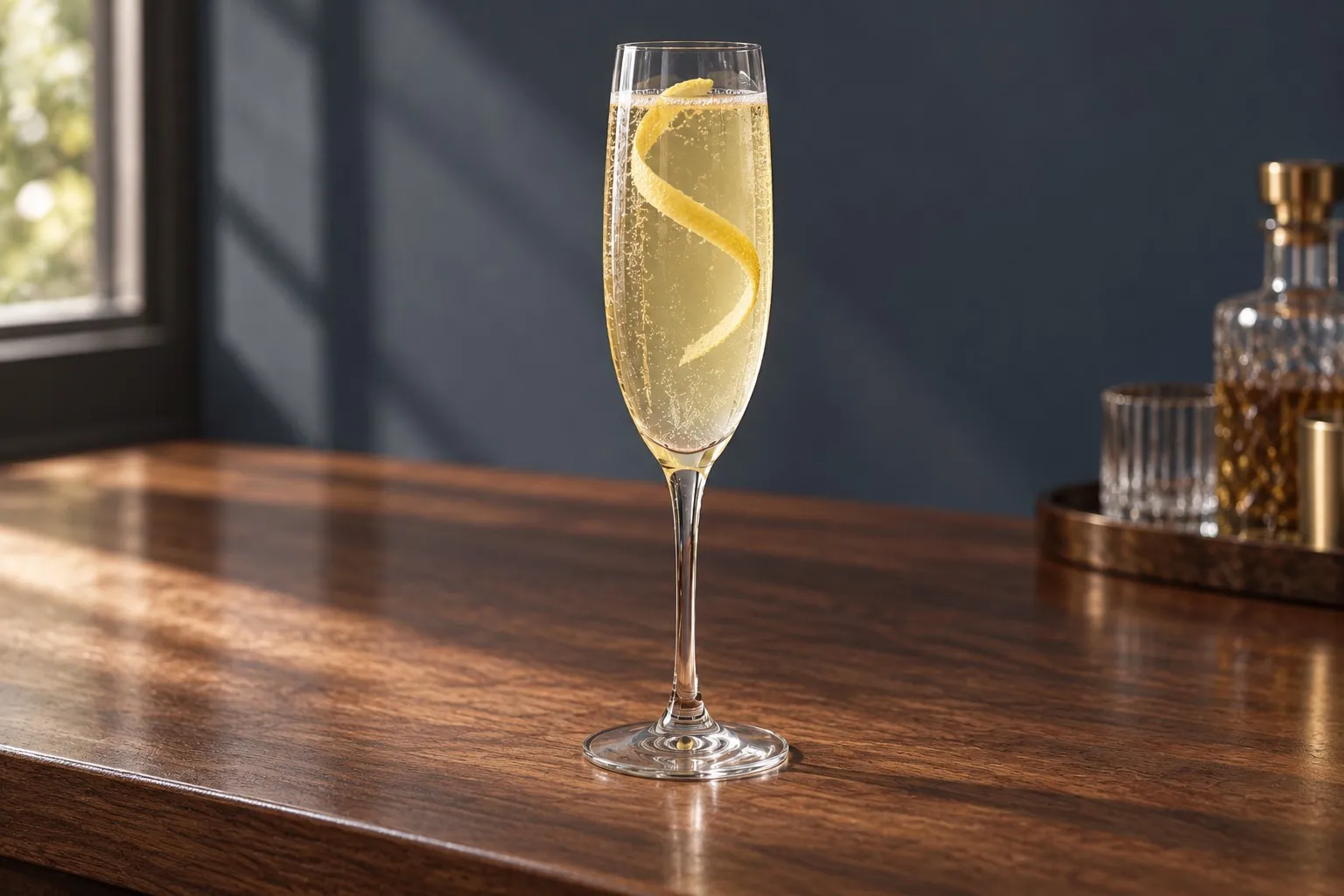
Source: Craddock, The Savoy Cocktail Book (1930), p. 73
Gin, lemon and syrup are shaken first, then topped with dry sparkling wine. The lemon spiral supplies the garnish. This modern flute serve differs from the Savoy’s iced tall-glass instructions; the Champagne formula also differs from the earlier non-Champagne “75.”
Choose it for bubbles beside fresh citrus. Dry Champagne or brut sparkling wine brings its own flavor to the sour, so the wine deserves attention as well as the gin. The modern 3:1 gin-to-lemon base is more gin-led than Savoy’s 2:1 mixture.
The Boulevardier
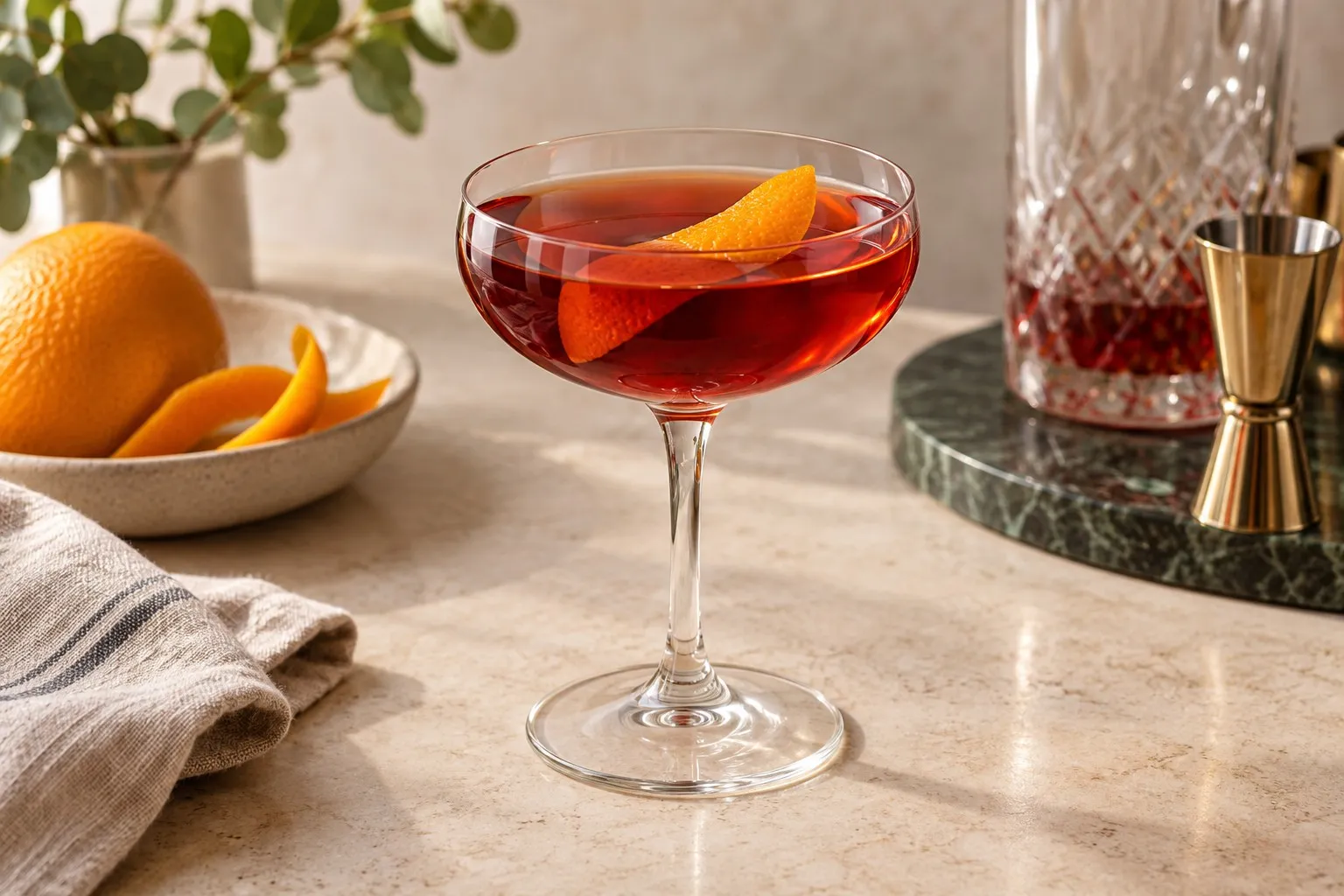
Source: McElhone, Barflies and Cocktails (1927), p. 80
Bourbon, sweet vermouth and Campari are stirred and served with orange peel. McElhone’s passage credits Erskine Gwynne and gives equal thirds. Our version gives the bourbon a little more room, with a 45:30:30 balance.
This is the choice for someone who prefers a bitter finish to a tart one. The recipe can be served in a chilled coupe or over a fresh large cube in a rocks glass. The cube stays with the drink and continues to melt; the coupe holds the liquid strained from its mixing ice. Neither serving choice is specified in the source passage.
The Monkey Gland
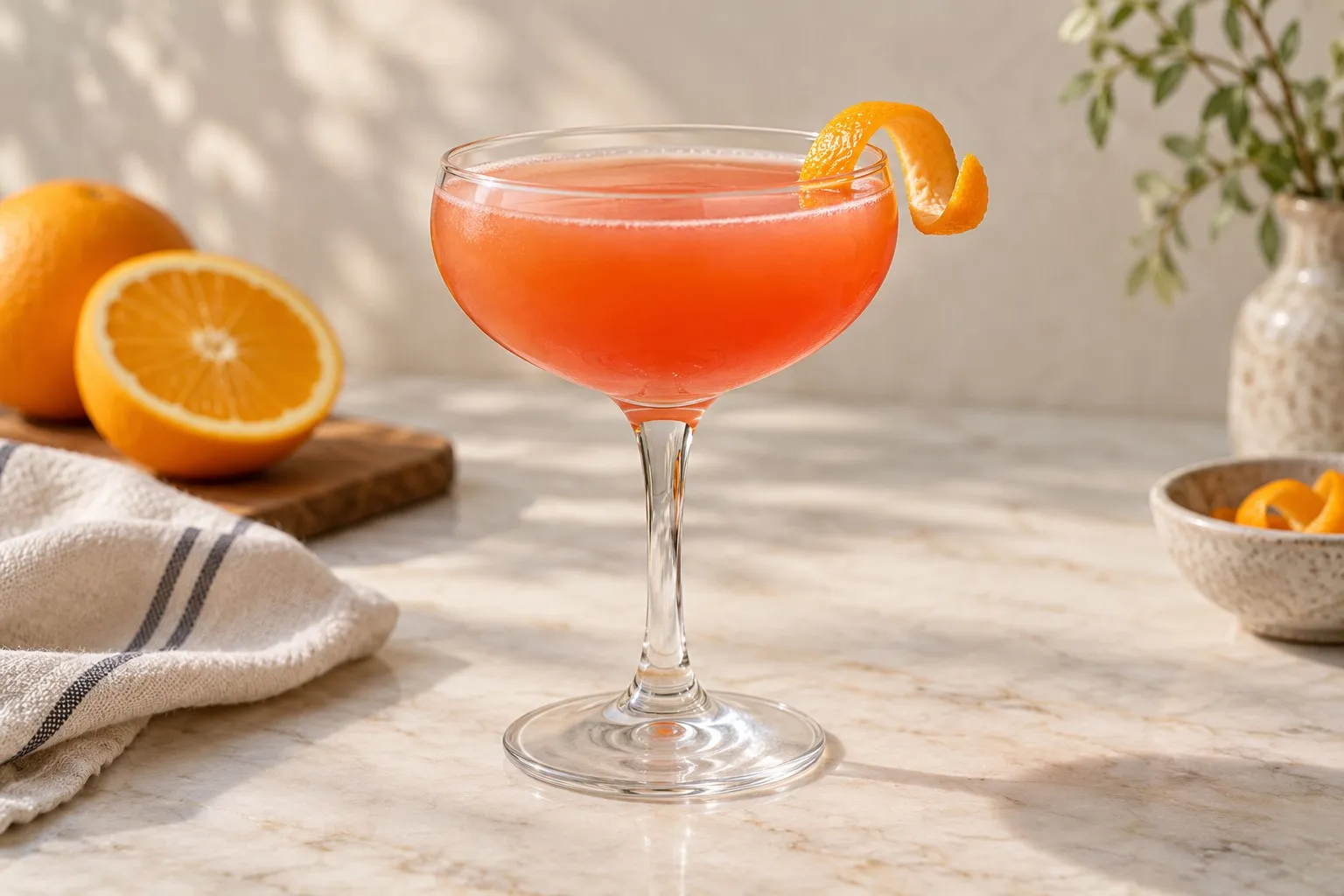
Source: McElhone, Harry of Ciro’s ABC (1923), p. 48
Gin and fresh orange juice meet grenadine and an absinthe rinse. The rinse is this version’s way of handling the source’s dash of absinthe: it adds an aromatic coating to the glass before the shaken drink is poured.
The name comes with McElhone’s own reference to Voronoff’s rejuvenation experiments, but the formula deserves attention apart from that explanation. Equal gin and orange juice give the fruit a substantial role. Strained fresh juice and pomegranate grenadine keep the ingredient choices clear; the rinse is mostly discarded, so its measured amount isn’t all poured into the finished cocktail.
The Scofflaw
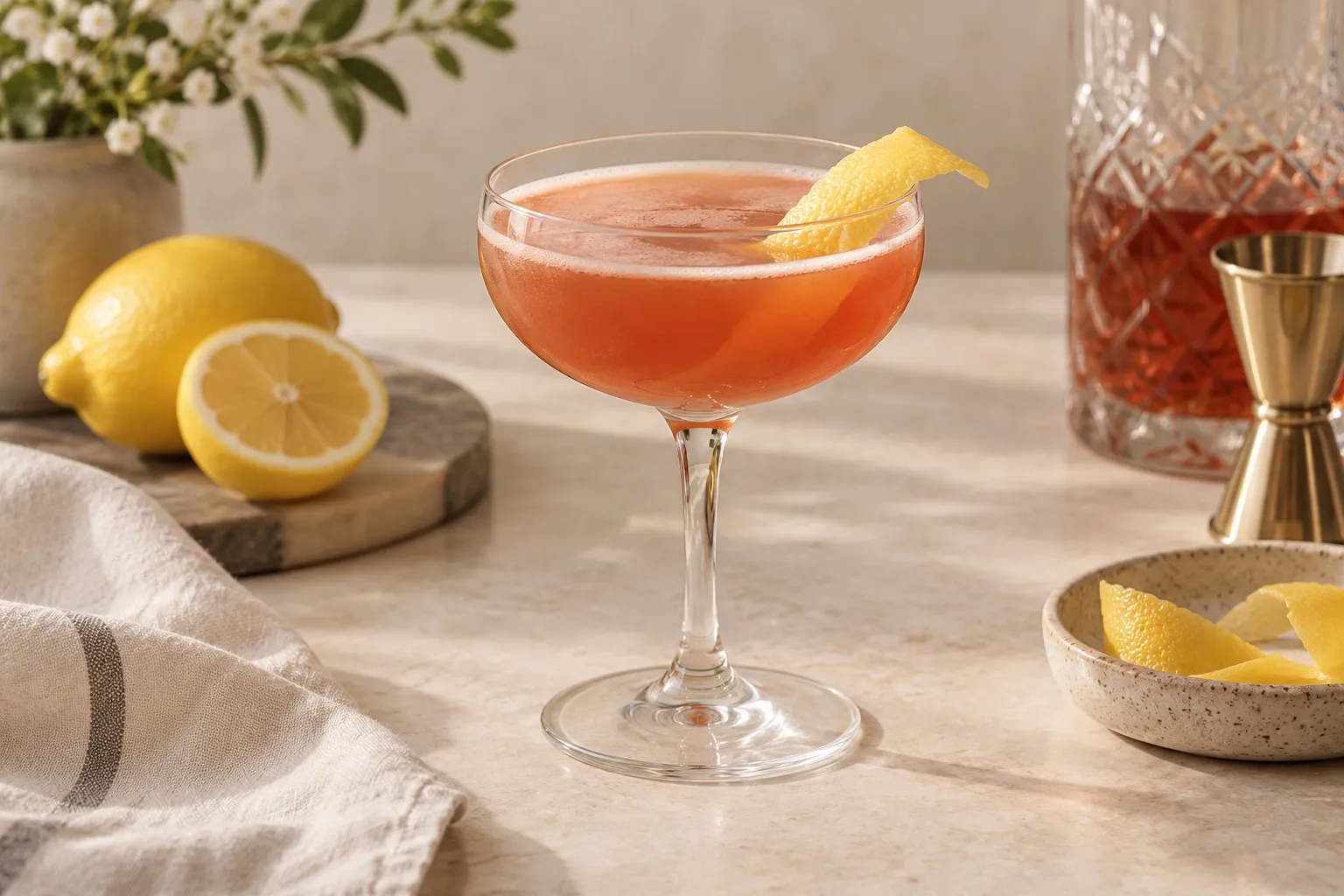
Source: Account and recipe reproduced in Barflies and Cocktails (1927), p. 63
Rye whiskey and dry vermouth form the base, with lemon, grenadine and orange bitters. The name connects the drink to the language of Prohibition, while the modern recipe offers a clear, measured way to balance its sweet and tart ingredients.
Choose Scofflaw for whiskey with lemon and pomegranate, with a larger rye share than the old formula. The dry vermouth gives it a different wine flavor from the Boulevardier’s sweet vermouth and Campari. Those two bottles are worth distinguishing before choosing either drink.
The Sidecar
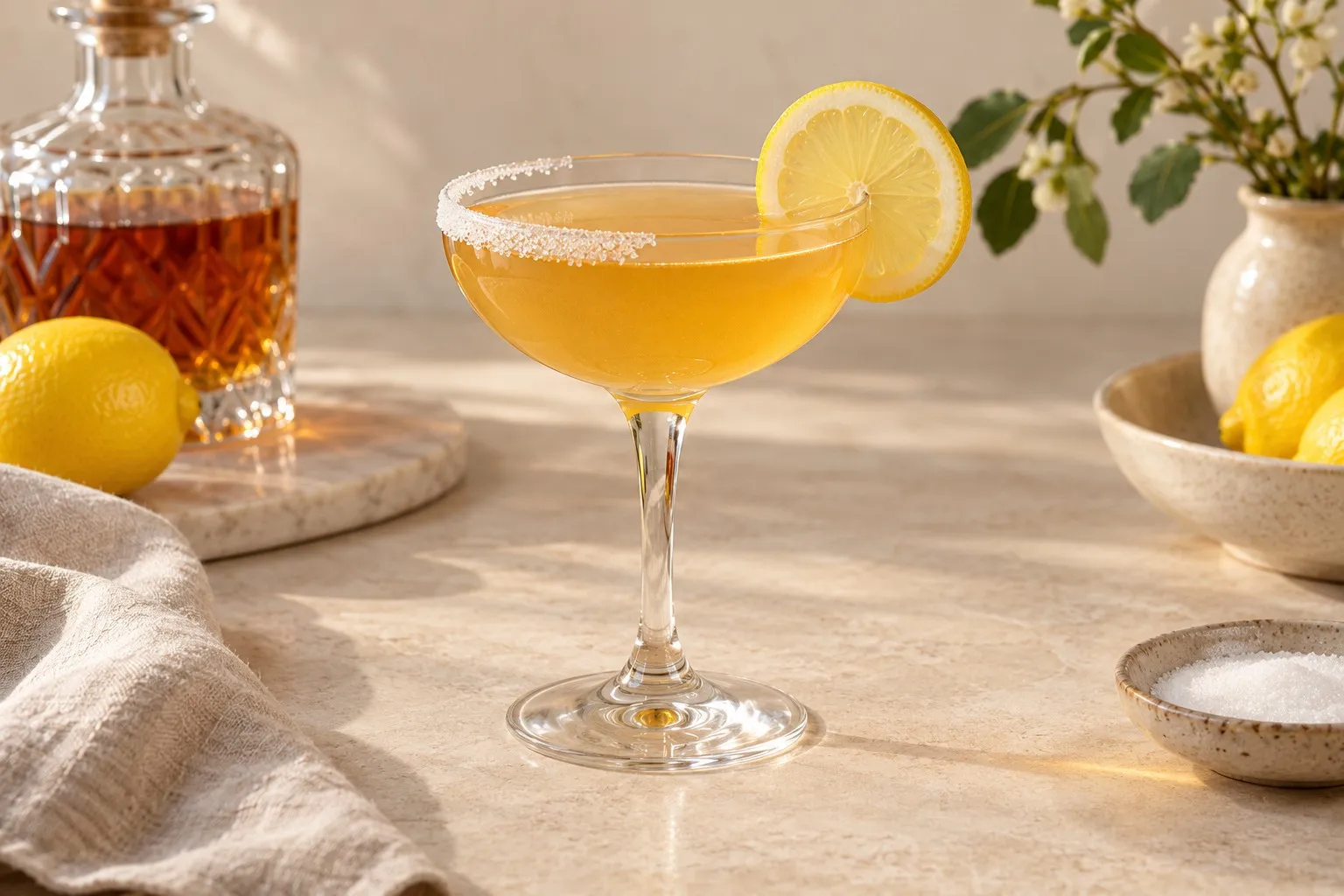
Source: McElhone, Harry of Ciro’s ABC (1923), p. 65
Cognac, Cointreau and lemon make a short citrus drink. An optional half-sugar rim lets you choose a sweeter edge with each sip. The rim and garnish are modern additions, and the recipe preserves the source’s three main ingredient identities.
The 1923 entry gives equal thirds of brandy, Cointreau and lemon. Our 45:25:20 version favors the brandy and reduces the lemon’s share. The half-rim offers a useful personal choice without changing the liquid formula: turn the glass to drink from the sugared or unsugared side. McElhone’s printed London credit is firmer evidence here than a motorcycle origin legend.
Chill the glass, then mix
Have the garnish ready and use a prechilled glass when the recipe calls for one. Shake the citrus drinks with ice and strain promptly. Stir the Boulevardier, and add the French 75’s sparkling wine after shaking its base.
For two choices on a menu, the stirred Boulevardier offers a useful contrast to any of the citrus drinks. Sidecar and Monkey Gland instead put lemon against orange around different spirits. Prepare the citrus and serving glasses first. Boulevardier’s elapsed time includes glass chilling; the short citrus recipes assume it is already done.
Keep cold ingredients cold and add sparkling wine at the end. A shaker and strainer do the work for the citrus bases; a mixing glass and spoon suit the Boulevardier. The Sidecar’s fine sieve gives it a double strain. Follow those individual methods rather than applying one shaking routine to the whole collection.
A serving cube continues to melt, a lemon-sugared edge changes a sip, and sparkling wine belongs to the last pour. Let each drink keep its particular finish.
The home drinks cupboard offers another view of the period. Toye and Adair’s London book pairs spirits with marmalade, tea and coffee; Two 1920s Drinks Cupboards compares it with Stockbridge’s alcohol-free refreshments.
For more of the bar-book background, read about cocktails in 1920s London and Paris on our sister site, Forgotten Drink.
Source note
Harry McElhone, Harry of Ciro’s ABC of Mixing Cocktails (1923): Monkey’s Gland on p. 48; Side-Car and the earlier “75” on p. 65. His Barflies and Cocktails (1927) repeats the Monkey Gland on p. 46 and Side-Car on p. 64, gives the Scofflaw account and formula on p. 63, and the Boulevardier passage on p. 80. Harry Craddock’s The Savoy Cocktail Book (1930), p. 73, supplies the Champagne French 75. Modern measures, serving glasses and meaningful ingredient or technique changes are explained with each recipe. The Scofflaw newspaper account is cited as reproduced in McElhone’s book.